







In construction, small issues rarely stay small. A minor roof stain or soft spot is often the first sign of a deeper problem, and ignoring it only makes the fix more expensive.
The same is true for preconstruction process inefficiencies. Early warning signs like rework, missed scope, or time spent chasing information can quietly erode your ability to win bids and protect margins. Left unaddressed, these issues compound into fewer bids, tighter margins, and burned-out teams.
The good news: these problems are fixable…if you can spot them early and put the right structure in place.
What Are Preconstruction Process Inefficiencies?
Preconstruction process inefficiencies are breakdowns in workflows, tools, or communication that slow down estimating, introduce errors, or reduce bid accuracy. They often show up as duplicated work, inconsistent takeoffs, or difficulty accessing project information. Over time, they reduce bid capacity and increase risk across projects.
According to McKinsey Global Institute, construction productivity has lagged behind other industries due in part to fragmented processes and poor data integration—issues that often begin in preconstruction.
1. Why Are We Rebuilding the Same Estimate Multiple Times?
If your team keeps revisiting the same estimate, it’s usually a sign that no one fully trusts the original work. Inputs change, files live in different places, and previous versions aren’t easy to verify or reuse.
That uncertainty leads to rework, and rework quietly kills efficiency. Instead of increasing bid volume, your team spends time recreating what’s already been done. It also introduces inconsistencies, since each version may be built slightly differently depending on who’s updating it. In many cases, this points to disconnected workflows. When takeoff, pricing, and revisions happen across separate tools or spreadsheets, there’s no reliable source of truth.
What to do instead:
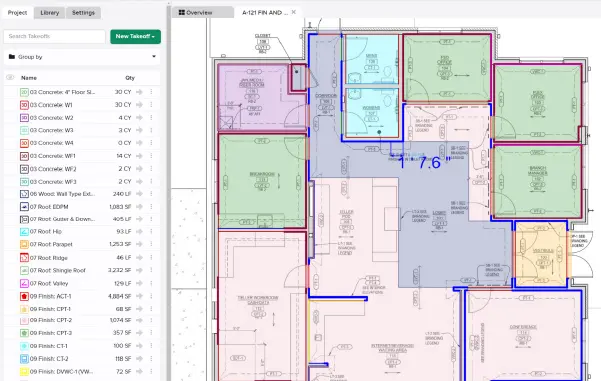
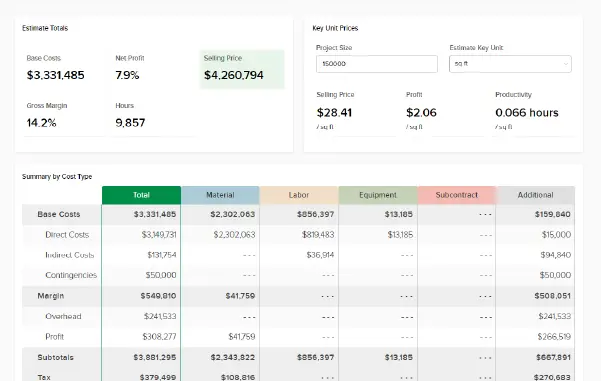
Bring your takeoff and estimating into a single, centralized environment where updates happen in real time and previous work can be reused with confidence. Platforms like STACK allow teams to connect quantities, pricing, and revisions in one place.
Bottom Line:
If you’re rebuilding estimates, your process isn’t scaling—and it’s costing you bid capacity.
2. Why Do Scope Gaps Keep Appearing Late in the Bid?
When scope gaps show up late, it’s rarely a one-off mistake. It’s a sign that scope definition isn’t consistent from the start. Important items get missed early and only surface during final review or after submission.
This creates unnecessary risk. Teams are forced to rush adjustments, second-guess numbers, or absorb costs that weren’t originally captured. According to the Construction Industry Institute, incomplete scope definition is a leading driver of cost overruns. The root issue is often a lack of standardization. When estimators rely on memory or manually rebuild scope each time, important details are more likely to slip through.
What to do instead:
Use structured assemblies and reusable scope components to ensure consistency across every estimate. Standardizing how scope is built reduces reliance on manual checks and improves accuracy over time.
Bottom Line:
If scope gaps are showing up late, your process is reactive—and your margins are at risk.
As far as accuracy goes, because we have assemblies built in, when we draw in line, we're able to calculate the insulation automatically. We're able to calculate the amount of trenching needed, amount of hangers, so it's drastically cut down the amount of time we need to produce estimate.
Everflow Plumbing, Plumbing & HVAC Contractor, Royse City, TX
3. Why Does Your Team Spend More Time Hunting Than Estimating?
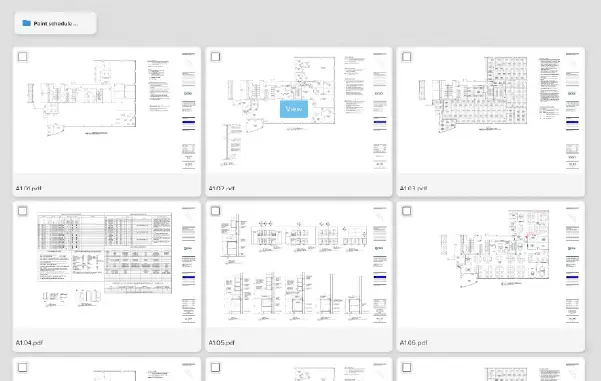
If estimators are digging through emails, folders, and past projects just to find what they need, your process is slowing them down before they even start estimating.
This kind of inefficiency adds up quickly. Time spent searching is time not spent bidding—and it increases the likelihood of using outdated plans or incomplete information. The Associated General Contractors of America highlights poor information management as a key contributor to project inefficiencies. The underlying problem is usually fragmented systems. When plans, specs, takeoffs, and historical data live in different places, visibility disappears.
One of our largest estimates right now has over 3,000 pages in the drawings. So if we want to change one or two things we can just go in there and change the assembly and it changes hundreds of estimates at one time.
ProFormance Builder Solutions, Roofing Contractor, Winter Garden, FL
What to do instead:
Create a single source of truth where all project data is accessible in one place. With STACK, teams can access current plan sheets, documents, and estimating data without switching platforms.
Bottom Line:
If your team is hunting for information, your tools are working against them—not for them.
4. Why Do Takeoffs Vary Between Estimators?
If two estimators can look at the same set of plans and produce different results, consistency is a problem. Variability in takeoffs leads to unpredictable estimates—and unpredictable outcomes.
This isn’t just a training issue. It usually points to a lack of shared standards, workflows, or reusable components. Without those, each estimator builds their own approach, which introduces risk into every bid. Over time, this inconsistency makes it harder to scale your preconstruction efforts or trust your numbers.
A key decision criterion for PCL was based on the fact that STACK is built on a modern cloud technology platform which enables improved collaboration during the quantity takeoff process. Equally important, STACK comes with a modern integration layer that allows us to realize efficiencies for our estimators by integrating takeoff into the rest of our estimating solution suite.
Kevin Sundquist, Senior Relationship Manager, Business Technology at PCL Construction
What to do instead:
Standardize your takeoff process with shared items, assemblies, and workflows. AI-assisted tools can also help ensure consistency by reducing manual interpretation. Based on what STACK customers report, teams that adopt standardized digital takeoff processes—especially with AI-assisted takeoff tools—see improved alignment across estimators and more reliable outputs.
Bottom Line:
If takeoffs vary, your results will too—and that unpredictability puts every bid at risk.
5. Why Is Bid Turnaround Time Getting Longer?
When bid timelines start slipping, it’s often a sign that your process can’t keep up with demand. What used to take days now takes longer, and deadlines feel tighter with every project.
This slowdown directly impacts growth. Fewer completed bids mean fewer opportunities to win work. According to FMI Corporation, improving preconstruction efficiency can significantly increase win rates without increasing headcount. The issue usually comes down to bottlenecks—manual steps, duplicated effort, and disconnected workflows that don’t scale as volume increases.
Using the pre-built libraries that we've set up in the platform with the items and assemblies attached means that once you start doing the takeoff you start doing the estimate. The estimate is building as we're building that takeoff.
Elemex, Exteriors Contractor, London, ON
What to do instead:
Streamline your workflow so estimators can move seamlessly from takeoff to estimate. Reducing manual steps and connecting your tools helps your team handle more bids without added pressure.
Bottom Line:
If turnaround time is slipping, your process isn’t built to scale—and it’s limiting your growth.
Comparison: Manual vs. Optimized Preconstruction Process
Process Area | Manual / Fragmented Approach | Optimized Digital Approach | Business Impact |
|---|---|---|---|
Takeoff | Manual, inconsistent | Standardized, AI-assisted |
Faster, more accurate
|
Estimating | Rebuilt each time | Reusable assemblies | Reduced rework |
Data Access | Scattered across tools | Centralized platform | Faster decisions |
Bid Turnaround | Slow and inconsistent | Streamlined workflow | Higher bid volume |
How Can You Fix Preconstruction Process Inefficiencies?
Improving your process starts with a few key changes:
- Centralize your data so teams work from a single source of truth
- Standardize workflows to reduce variability
- Use AI and automation to eliminate manual effort
- Improve visibility across plans, specs, and estimates
- Continuously refine your process based on performance
How Does Preconstruction Technology Support Compliance and Reduce Risk?
Preconstruction inefficiencies don’t just affect speed—they can create compliance and documentation risks. Missed scope, outdated plans, or inconsistent records can lead to disputes or regulatory issues.
Modern platforms provide version control, audit trails, and centralized documentation to support compliance requirements and improve accountability. STACK helps ensure that project data remains accurate, accessible, and traceable throughout the lifecycle.
Why Structure—Not Effort—is the Real Problem
If you’re seeing one or two of these warning signs, it’s worth paying attention. If you’re seeing most of them, your process is likely working against you. When systems aren’t connected, teams compensate with extra time, extra steps, and extra risk. That approach doesn’t scale.
As construction demand continues to rise, according to the U.S. Census Bureau, contractors need more efficient ways to bid and win work. Without structured preconstruction workflows, keeping up becomes increasingly difficult.
Modern platforms bring takeoff, estimating, and scope management into one system—allowing teams to reduce rework, standardize processes, and increase bid capacity. STACK is built specifically for this kind of work. It gives estimators one place to manage takeoffs, build estimates, and reuse proven workflows—so the process becomes repeatable, not reactive.
STACK has increased my productivity and probably made me twice as fast just with the developments and improvements that have been made. Working from the cloud has given us the ability to help each other and collaborate, strategize more seamlessly, land more bids, and save time.
Coustic-Glo, Acoustical Contractor, Simi Valley, CA
FAQ: Preconstruction Process Inefficiencies
What are the most common preconstruction inefficiencies?
The most common issues include duplicated work, inconsistent takeoffs, missed scope, and difficulty accessing project information. These problems reduce efficiency and increase risk across bids.
How can I improve my preconstruction process?
Start by centralizing your data, standardizing workflows, and adopting digital tools like STACK that connect takeoff and estimating. This reduces rework and improves consistency.
Why is standardization important in estimating?
Standardization ensures all estimators follow the same process, reducing variability and improving the reliability of estimates.
When should I invest in preconstruction software?
If your team is experiencing frequent rework, missed scope, or slower bid turnaround times, it’s a strong indicator your current process needs improvement.
Can better preconstruction processes increase win rates?
Yes. More efficient processes allow teams to complete more bids with greater accuracy, increasing the likelihood of winning work.