




The Short Answer: Risk in construction doesn’t start on the jobsite. It starts in preconstruction. The decisions your team makes during the preconstruction phase — scoping, estimating, procurement, permitting — set the trajectory for the entire project. A proactive approach to preconstruction planning helps catch potential risks early, before they become cost overruns and schedule delays during the construction phase.
Most problems that show up during construction can be traced back to something that was missed, rushed, or assumed during preconstruction. A vague scope, an incomplete estimate, or a missed permit can snowball into change orders, budget overruns, and strained relationships with the project team.
The preconstruction phase is where you build the foundation for a successful project. When your preconstruction team takes the time to plan thoroughly, the construction phase runs smoother and with fewer surprises. Here’s where the biggest risks live in preconstruction planning, and what your team can do to reduce them.
Why Preconstruction Planning Matters

Preconstruction is the phase where your team defines what the project is, what it will cost, and how it will get built. When the preconstruction process is thorough, your general contractor, design team, and project manager all start the construction phase working from the same playbook.
What Happens When It’s Rushed
When preconstruction is cut short, problems stack up during the construction phase. Gaps in scope lead to change orders. Rough estimates turn into cost overruns. Permits get delayed because nobody flagged the regulatory requirements early enough. Each of these costs time and money that could have been avoided with proper planning.
The Payoff of Getting It Right
Projects with a well-executed preconstruction phase consistently see fewer change orders, tighter project budgets, and smoother handoffs from office to field. Detailed planning during preconstruction doesn’t slow a project down. It keeps the construction process from grinding to a halt later.
Common Risks in the Preconstruction Phase

Knowing where risk tends to show up during preconstruction helps your team plan around it. These are the areas that can cause the most problems when they’re overlooked.
Incomplete Scope Definition
If the project scope isn’t clearly defined early, the rest of the preconstruction process is built on a range of assumptions. That leads to misaligned expectations between the design team, the general contractor, and the owner, which almost always results in miscommunication and change orders once construction starts.
Inaccurate Cost Estimating
An estimate that doesn’t reflect real market conditions, actual labor rates, or the full scope of work puts the project budget at risk from the start. Without accurate cost estimation, your team is guessing at numbers that the entire project depends on.
Missed Regulatory Compliance and Permitting
Every construction project has to meet all local regulations and secure the necessary permits before any work begins. When the preconstruction team doesn’t identify regulatory requirements early in the planning phase, permit delays can push back the schedule and add unexpected costs.
Overlooking Site Conditions
Soil quality, drainage, access, existing utilities, and other site conditions affect cost, schedule, and constructability. A project team that doesn’t assess the site thoroughly during preconstruction is likely to run into surprises during the construction phase.
Poor Coordination Between Teams
When the design team, preconstruction team, and construction manager aren’t aligned, decisions get made in silos. That disconnect leads to rework, conflicting details in the documents, and gaps that don’t surface until it’s expensive to enact a fix.
Failing to Identify Long-Lead Items
Some materials and equipment have extended procurement timelines. If these long-lead items aren’t flagged during preconstruction, they can hold up the critical path and delay entire projects. Early procurement planning keeps these items from becoming bottlenecks.
How to Reduce Risk During Preconstruction
The risks above are common, but they’re also manageable when your preconstruction team builds the right habits into the process.
Define Project Scope and Goals Early
Get alignment on project goals, deliverables, and expectations before any estimating or design work begins. A clearly documented project scope gives every team member a shared reference point and reduces the chance of scope creep showing up as change orders later.
Invest in Accurate Cost Estimation and Value Engineering
Accurate cost estimating starts with current data, not assumptions. Use reliable pricing databases and historical project data to build your numbers. Pair that with value engineering during design development to find ways to meet the owner’s goals without inflating the project budget. The earlier your team identifies cost-saving opportunities, the more flexibility you have.
Conduct a Constructability Review
A constructability review brings field knowledge into the design process before construction starts. Having your general contractor or construction manager review the plans for buildability helps catch coordination issues, sequencing problems, and details that may not work in practice. This step alone can prevent costly rework during the construction phase.
Build a Detailed Project Timeline
Map out the full schedule with the critical path clearly identified. A detailed project timeline shows your project team where the tightest windows are and where delays would have the biggest impact. It also helps with resource allocation — making sure the right people, equipment, and materials are available when they’re needed.
Plan Procurement and Flag Long-Lead Items
Don’t wait until the construction phase to start ordering. Procurement planning during preconstruction gives your team time to source long-lead items, negotiate pricing, and line up delivery schedules. Falling behind on procurement is one of the easiest ways to derail a project timeline.
Confirm Regulatory Requirements and Necessary Permits
Work with local jurisdictions early to identify every regulatory requirement and necessary permit the project needs. Submitting applications during the preconstruction phase instead of scrambling during construction avoids delays and keeps you on the right side of regulatory compliance.
Align the Full Project Team
Risk drops when everyone is working from the same information. Regular coordination between the design team, preconstruction team, project manager, and key trade partners keeps decisions from being made in isolation. Clear communication across team members builds trust and catches potential issues before they make it to the field.
How STACK Helps Teams Reduce Preconstruction Risk
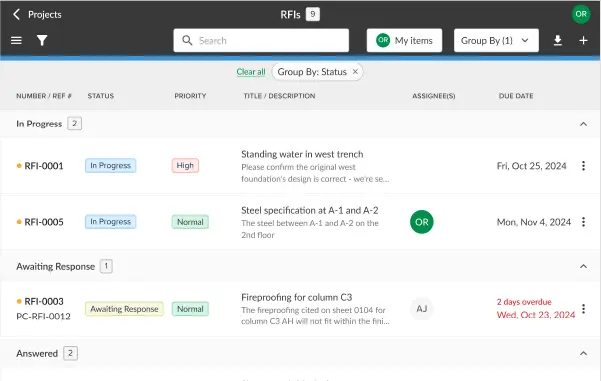
Each of the steps above gets easier when your preconstruction team is working from a connected platform instead of scattered spreadsheets and disconnected tools. STACK supports the preconstruction process across the board:
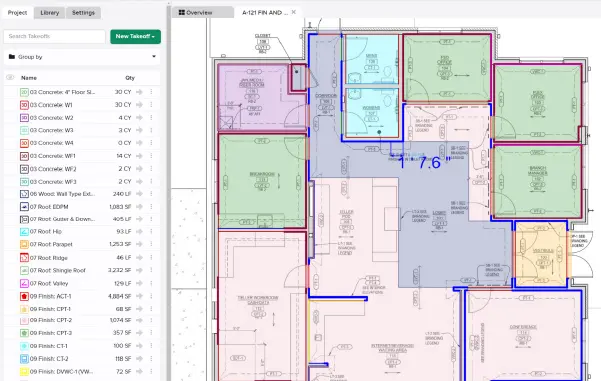
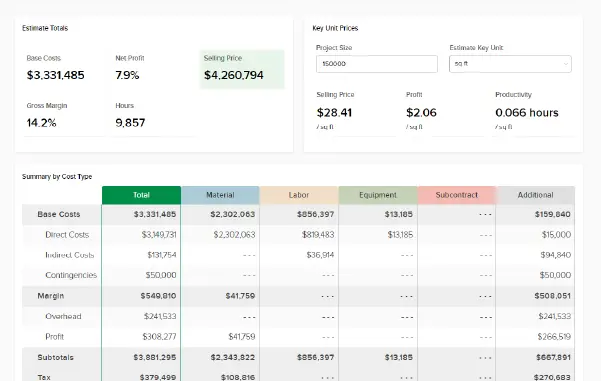
- Accurate Estimating: Digital takeoff and estimating tools paired with centralized cost databases help your team build reliable numbers from the start.
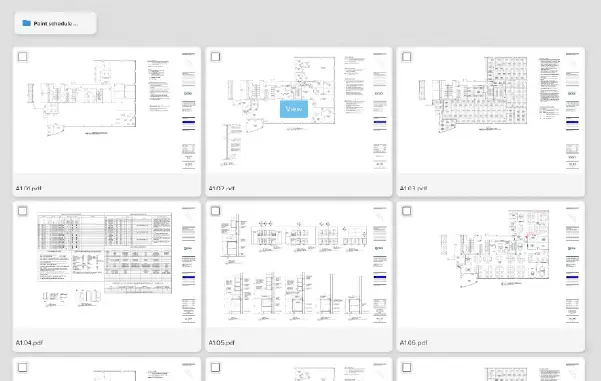
- Scope and Document Control: Plans, specs, and project documents live in one place so every team member is working from the latest version.
- Team Alignment: Real-time collaboration tools keep your design team, field crews, and project managers connected and reduce the miscommunication that leads to rework and change orders.
- Scheduling and Planning: Centralized project data gives your project manager visibility into timelines, resource allocation, and procurement status without chasing updates across email and spreadsheets.
When your preconstruction planning is built on a solid foundation of accurate data and clear communication, the construction phase runs with fewer surprises.
Start Your Next Project on Solid Ground
The best way to reduce risk during the construction phase is to take preconstruction planning seriously. When your preconstruction team invests in the proper tools, detailed planning, accurate cost estimation, and clear communication from the start, the entire project benefits. Fewer change orders, tighter budgets, and a project team that’s aligned from day one.
Preconstruction is where a successful project begins. Schedule a demo to see how STACK can help your team plan with confidence and build with fewer surprises.