






- Construction budget management is both technical and strategic. It ensures cost control, client satisfaction, and timely project delivery.
- A strong budget begins with detailed requirements and accurate cost estimates. Gathering scope and using historical data reduces the risk of surprises.
- Contingency reserves are essential. They act as a safety net against unforeseen expenses like scope changes or price fluctuations.
- Regular monitoring and open communication with stakeholders allow teams to spot and fix budget issues early.
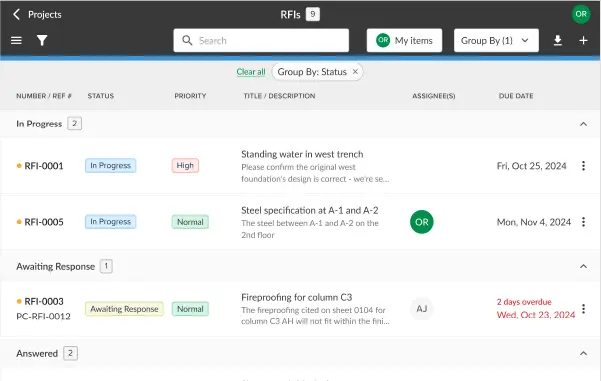
- Software solutions like STACK streamline estimating, takeoffs, and budget tracking, improving accuracy and efficiency.
- Standardized workflows and cost databases create consistency across projects and enhance long-term financial performance.
Construction budget management is one of the most critical factors influencing whether a project succeeds or struggles. A well-planned and diligently managed budget not only keeps costs under control but also helps avoid delays, disputes, and client dissatisfaction. Effective budgeting is more than just a numbers exercise. It is a strategic and leadership responsibility that shapes every stage of a construction project. From the initial planning phase through to project completion, budget management acts as the financial compass guiding decisions, resource allocation, and stakeholder communication.
What Is a Construction Budget?
A construction budget is the comprehensive financial plan for a building project, covering all costs associated with labor, materials, equipment, permits, subcontractors, and contingencies. More than just a spreadsheet of numbers, it functions as both a planning tool and a benchmark for tracking progress against financial expectations.
In essence, a construction budget outlines the full cost of delivering a project to completion. It includes both direct costs (such as materials and labor directly tied to construction) and indirect costs (like insurance, administrative overhead, and permitting). By providing a structured overview of all anticipated expenses, the budget becomes the financial foundation on which the entire project is built.
Why Is Proper Budgeting Important in Construction?
The stakes for effective budgeting in construction are incredibly high. Poor financial planning can lead to cost overruns, project delays, strained relationships, or even outright project failure. Let’s look at the main reasons proper budgeting is indispensable in construction:
- Cost Control and Financial Stability
Without detailed and accurate budget planning, costs can quickly spiral out of control. Managing a construction budget ensures that spending is aligned with financial limits and contractual agreements. - Improved Resource Allocation
Proper budgeting helps project managers assign resources where they’re needed most. It prevents over-allocation to one area while leaving other essential tasks underfunded. - Risk Mitigation
Unexpected issues (from supply chain disruptions to weather-related delays) are common in construction. Well-structured budgets include contingency reserves to absorb such shocks without derailing the entire project. - Stronger Client Relationships
Clients expect transparency and accountability. When project teams can demonstrate sound construction budgeting practices, it builds trust and credibility. - Timely Delivery
Budget adherence often correlates directly with schedule adherence. Projects that stay financially disciplined are far more likely to meet deadlines and deliver as promised.
How to Create a Construction Budget
Building a realistic, actionable budget requires a structured approach. Here’s a step-by-step breakdown of how to create a construction budget that sets a project up for success.
Gather Detailed Project Requirements
The process begins by clearly defining the project scope, specifications, and client expectations. Without this, assigning accurate costs is impossible. All relevant details, such as design documents, building codes, environmental requirements, and material specifications, must be captured at this stage. The more detail included upfront, the fewer surprises later.
Break Down the Project into Phases
By dividing the project into logical phases (e.g., site preparation, foundation, framing, finishing), teams can estimate costs more precisely and track expenses at each stage. Phased planning also improves scheduling and provides clear milestones for progress.
Obtain Accurate Cost Estimates
Accurate estimates are the backbone of any effective construction budget. This involves leveraging historical data, consulting suppliers, and engaging experts to provide realistic pricing. Benchmarking against previous projects of similar size and scope is particularly valuable for improving accuracy.
Account for Contingencies
Every construction budget should include contingency reserves (typically 5–10% of total costs) designed to absorb unforeseen expenses. Whether due to changes in material prices or unexpected site conditions, contingencies provide a crucial buffer that protects against financial shocks.
Review and Refine with Stakeholders
Finally, collaboration is key. Reviewing the budget with clients, architects, engineers, and contractors ensures alignment, validates assumptions, and builds consensus. This stage is also critical for securing client approval and moving forward with confidence.
Key Parts of a Construction Budget
A well-structured budget should clearly define all categories of costs. Here are the main components:
Direct Costs
These are the expenses directly tied to construction work:
-Labor costs for trades and subcontractors
-Materials such as steel, wood, concrete, and finishes
-Equipment rentals and tools
Indirect Costs
Indirect costs are not tied to specific construction tasks but are essential for operations:
-Insurance and bonding
-Administrative overhead
-Office expenses
-Permits and licensing
Contingency Reserves
Funds set aside to cover unforeseen issues. These are critical for managing project risks without compromising other parts of the budget.
Profit Margins
Construction companies must plan for profit to remain sustainable. This margin ensures the business remains viable even after covering all project-related expenses.
Tips for Managing a Construction Budget Effectively
Now that we’ve explored how to create a budget, let’s focus on construction budget tracking and strategies for keeping finances under control throughout the project lifecycle.
Set Clear and Realistic Cost Estimates from the Start
Detailed cost estimates reduce the likelihood of costly surprises later in the project. By investing time and effort in accurate forecasting, project teams set themselves up for success.
Account for Contingencies and Unforeseen Expenses
Always plan for the unexpected. By including contingency funds, you create a financial safety net that allows the project to continue smoothly, even when unforeseen expenses arise.
Monitor Costs and Progress Regularly
Regular budget reviews are essential. Monitoring expenses against the budget ensures that variances are identified early, allowing corrective action before problems escalate.
Communicate with Stakeholders Throughout the Project
Open communication fosters transparency and trust. It also accelerates decision-making when budget challenges arise, preventing small issues from becoming major disputes.
Use Historical Data to Improve Accuracy
Historical project data provides invaluable insights for cost forecasting. By analyzing past projects, teams can refine estimates and reduce the risk of inaccuracies in future budgets.
Set up a Cost Database
A centralized cost database streamlines project budgeting and makes data readily accessible for future projects.
Integrate Budget Tracking with Project Scheduling
Aligning budgets with timelines ensures that costs are tied to measurable progress milestones. This integration helps teams track whether spending is proportional to work completed.
Have Effective Workflows in Place
Standardized workflows make budget management more efficient and consistent across teams.
When Your Budget Is at Risk for Being Overrun
Despite the best planning, some projects face cost overruns. Early warning signs include rapidly rising expenses, delayed invoices, or scope changes not reflected in the budget. Common causes include:
-Scope creep due to unapproved changes
-Inaccurate initial estimates
–Unexpected site conditions
-Rising material costs
The key to regaining control is quick action: review expenditures, renegotiate supplier contracts if necessary, and reallocate contingency funds. But it’s in everyone’s best interest to take steps upfront to prevent overruns in the first place.
Managing Construction Budgets with Software
Digital tools have transformed the way construction teams manage budgets. Modern construction software offers:
- Real-time dashboards for cost visibility
- Automated alerts for potential overruns
- Integration with project scheduling to align costs with progress
- Detailed reporting to track and forecast expenses
Why STACK?
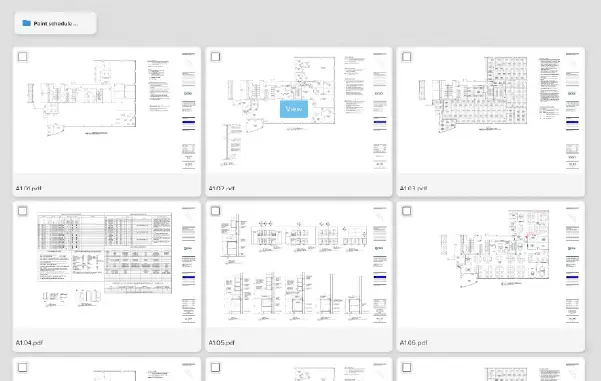
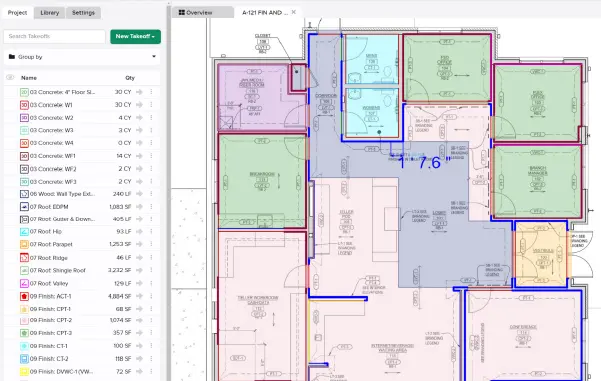
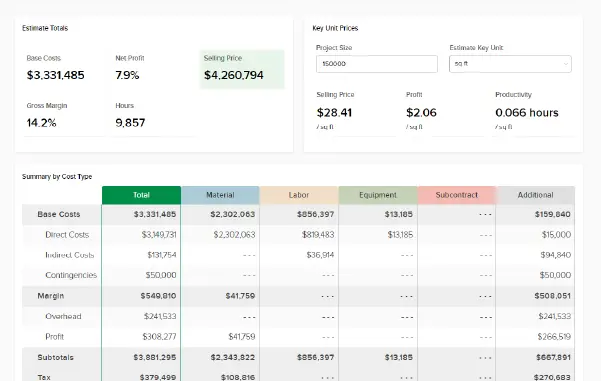
Platforms like STACK provide advanced estimating and takeoff capabilities, helping teams create more accurate budgets right from the start. These tools not only reduce manual errors but also enhance collaboration, making budget management a more streamlined and reliable process.
STACK is here to help you build. Come see what we can do for your business today!