






- A construction cost database centralizes labor, material, equipment, and overhead costs, ensuring accurate and reliable estimates.
- Regularly updated data helps contractors stay aligned with market trends and supplier pricing.
- Integration with estimating and project management tools streamlines workflows and boosts collaboration.
- Historical cost data improves forecasting, budgeting, and long-term profitability.
- Choosing between building or buying a database depends on your business needs. STACK offers a flexible solution that combines both approaches.
- Standardized workflows and cost databases create consistency across projects and enhance long-term financial performance.
A construction cost database has become one of the most important tools for contractors, estimators, and project managers who want to create reliable budgets and bids. A construction cost database stores, organizes, and standardizes cost information in a central location. This not only streamlines the estimating process but also ensures that projects are based on accurate, up-to-date information about costs. In an industry where profit margins can be razor thin, having a structured system for managing costs can make the difference between a profitable project and one that runs over budget.
What Is a Construction Cost Database?
At its core, a construction cost database is a centralized digital repository of pricing data. It typically includes detailed figures for labor, materials, equipment, subcontractors, and overhead costs. While a simple spreadsheet may hold numbers, it lacks the depth, categorization, and built-in accuracy checks that a professional construction estimating database provides.
Unlike static systems, cost databases are purpose-built for construction projects. They support data categorization by trade, project type, or phase, and they integrate with estimating software to streamline workflows. In short, a cost database isn’t just a list of numbers, it’s a living, breathing tool that evolves with the industry and provides estimators with the insights they need to build accurate, competitive, and profitable proposals.
Benefits of Using Cost Databases in Construction
The benefits of implementing a cost database in construction go far beyond convenience. When used consistently, they transform the accuracy, speed, and collaboration of project teams.
Greater Estimating Accuracy
Relying on guesswork or outdated spreadsheets increases the risk of underestimating costs. A construction cost data system provides standardized, validated numbers that reduce human error. By pulling from a centralized source, estimators ensure that their bids are both competitive and realistic, helping avoid cost overruns later in the project.
Faster Bid Preparation
Time is money in construction, and the ability to produce bids quickly can mean winning more work. Pre-loaded, organized cost data significantly shortens turnaround times. Estimators no longer need to dig through multiple sources for supplier quotes or past project numbers; they can find everything they need in a single database.
Improved Collaboration Across Teams
A database ensures everyone, from estimators to project managers, works from the same cost baseline. This eliminates confusion and miscommunication, as teams no longer rely on inconsistent data or outdated versions of spreadsheets. Centralized systems foster transparency and alignment across stakeholders.
Better Budget Management
Historical cost data is invaluable for predicting future expenses. By analyzing past projects that used data from the database, contractors can anticipate trends, forecast future costs more accurately, and manage budgets more effectively.
Key Features of a Cost Database
A true cost database is more than a repository. It’s a structured, dynamic system that enhances estimating and ensures consistency across projects.
Detailed Cost Breakdown
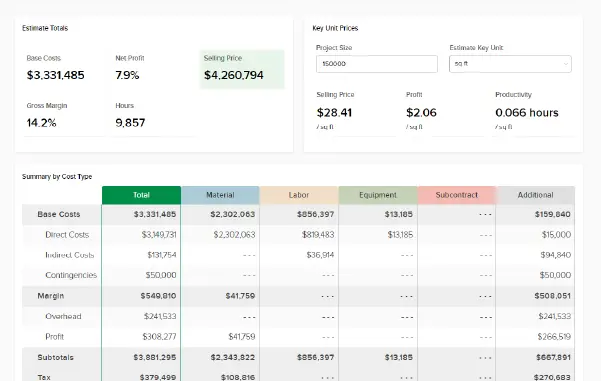
Databases provide granular data covering labor, materials, equipment, subcontractors, and overhead. With this detail, estimators can drill down into specific areas and apply the most relevant data to their projects.
Regular Updates
Prices fluctuate due to inflation, supply chain issues, and market demand. A reliable database undergoes regular updates to reflect these changes, ensuring estimates are based on current market conditions rather than outdated information.
Categorization & Organization
Data is grouped logically by trade, phase, or project type. This makes it easier to search, compare, and apply costs to specific scopes of work.
Integration with Estimating Tools
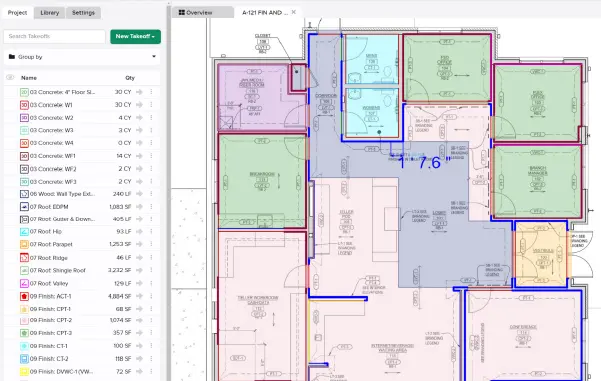
Most modern databases integrate seamlessly with construction estimating software, enabling automatic population of prices into estimates. This reduces manual entry, saves time, and lowers the risk of errors.
Historical Cost Data
By storing records of past projects, the database provides valuable benchmarks. This allows estimators to refine future budgets and forecasting using real-world results.
How to Set Up a Construction Cost Database
Establishing a reliable database requires strategy and diligence. Here’s how to build one step by step:
Identify Your Data Sources
Start with supplier catalogs, subcontractor quotes, historical project costs, and industry pricing resources. The goal is to collect as much relevant cost data as possible.
Organize Data into Categories
Separate costs into key categories: labor, materials, equipment, and overhead. Proper organization ensures easy navigation and consistent usage.
Choose the Right Software
Look for platforms designed to manage collecting construction cost data, with features like cloud storage, search filters, and integrations with estimating software. Consider scalability and ease of updates when making your choice.
Verify and Maintain Data Quality
Accuracy is critical. Regularly review, update, and validate costs. Set a schedule either quarterly or biannually for refreshing supplier pricing and labor rates to ensure you always work with up-to-date construction costs.
Making a Database vs Buying One
Contractors face a choice: build their own cost database from scratch or invest in a pre-built solution.
- Building Your Own Database
Pros: Complete customization, control over data sources, and potentially lower long-term costs.
Cons: Time-intensive setup, ongoing maintenance, and risk of inaccuracies without proper validation. - Buying a Pre-Built Database
Pros: Fast deployment, professional maintenance, and integration with industry-leading estimating tools. Many vendors offer regionalized pricing for added accuracy.
Cons: Licensing fees and less flexibility in customization.
For many contractors, a hybrid approach works best, using a vendor-provided database as a foundation and layering in custom company-specific data such as your own labor rates. STACK’s software provides this flexibility, offering pre-built cost database construction options alongside the ability to add custom entries.
How to Use the Database for Construction Estimating
A database for construction estimating streamlines the process of preparing accurate bids. Estimators can pull line items directly from the database into proposals, adjust for location-specific pricing, and factor in market conditions. By leveraging integration with estimating software, the entire workflow, from scope definition to bid submission, is faster, more accurate, and less prone to error.
The Importance of Accurate Construction Estimating
Accurate estimating directly impacts profitability, client trust, project scheduling, and resource allocation. If the database is robust and up to date, estimates become more reliable, reducing the likelihood of disputes and cost overruns. In short, the quality of your database determines the quality of your estimates.
Tips for Using Databases with Construction
Maximizing the value of a cost database requires best practices.
Train Your Team on Database Use
Onboarding and training are essential to ensure staff understand how to navigate and apply the system consistently.
Standardize Data Entry
Consistency matters. Establish company-wide standards for units, naming conventions, and formats so the database remains organized and searchable.
Track Historical Project Data
Every project adds valuable knowledge. Store completed project data to inform and refine future estimates.
Integrate with Other Project Management Tools
Connecting the database with scheduling, procurement, and budgeting platforms streamlines workflows and provides holistic project oversight.
Use Workflows
Implement workflows to enforce consistency, reduce delays caused by manual follow-ups, and improve accountability.
Integration Challenges
While cost databases are powerful, integration with existing systems can present hurdles.
Data Format and Compatibility Issues
Different software may use varying file types or data structures, creating delays and requiring data conversion.
Software Version and Update Conflicts
When platforms update at different times, compatibility issues can arise, disrupting workflows.
User Adoption and Resistance
Teams may resist change, preferring familiar tools. Clear training, demonstrations of benefits, and leadership support are critical for overcoming resistance.
Start Collecting Construction Data with STACK
STACK is a leading solution for contractors who want to leverage the power of a construction cost database. As a cloud-based platform, it offers:
- Centralized storage for all cost-related data.
- Seamless integration with our estimating tools.
- Automated updates to reflect market trends and supplier pricing.
- Real-time collaboration for distributed teams.
- Regionalized pricing for materials to ensure localized accuracy.
Additional FAQs about Construction Cost Databases
How often should I update my cost database?
At minimum, review and refresh your database quarterly. For volatile markets, monthly updates may be necessary to capture price fluctuations.
Can I integrate my database with other project management tools?
Yes. STACK supports integration with popular project management, scheduling, and procurement platforms.
What’s the difference between a cost database and estimating software?
A cost database stores and organizes pricing data, while estimating software uses that data to build project-specific estimates. When combined, they create a powerful system for accuracy and efficiency.
STACK is here to help you build. Come see what we can do for your business today!