







Writing a bid proposal for construction is more than just crunching numbers—it’s about communicating value, experience, and reliability. Whether you’re a general contractor or a specialty subcontractor, knowing how to write a bid proposal for construction that’s persuasive and professional can make all the difference between winning and losing a job.
This guide walks you step-by-step through the process of creating complete, compelling construction proposals—from understanding what goes into them to following best practices and using templates that set you up for success.
Key Takeaways
Here’s what you’ll learn in this comprehensive guide:
- What a bid proposal is: Understand how proposals differ from estimates and why they’re vital sales tools.
- How the bidding process works: Learn where proposals fit within the construction project lifecycle.
- Essential components: Discover all the sections your proposal must include—from scope to signatures.
- Best writing practices: Tips to make your proposals persuasive, accurate, and client-focused.
- Templates and examples: See what a professional construction bid proposal template looks like.
Tools that help: Learn how STACK’s takeoff and estimating software simplifies proposal creation and boosts accuracy.
What Is a Bid Proposal?
A construction bid proposal is a formal document submitted by a contractor in response to a project owner’s invitation to bid. It outlines the proposed cost, scope, schedule, and qualifications to perform the work.
While an estimate focuses strictly on pricing, a bid proposal is a comprehensive proposal document that also communicates your experience, reliability, and understanding of the project. In essence, it’s both a pricing document and a sales presentation.
A well-written proposal does more than list numbers—it shows the client that you understand their goals, have the resources to deliver on time and budget, and can be trusted as a professional partner.
How Does the Bidding Process Work?
In the broader construction bidding process, the proposal plays a central role. Here’s how it fits in:
- Opportunity Identification – Contractors find projects through bid listings, client outreach, or prequalification invitations.
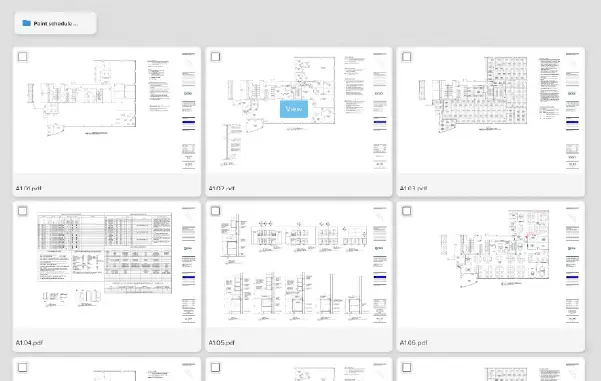
- Document Review – Bidders analyze project specifications, drawings, and requirements to ensure they can meet expectations.
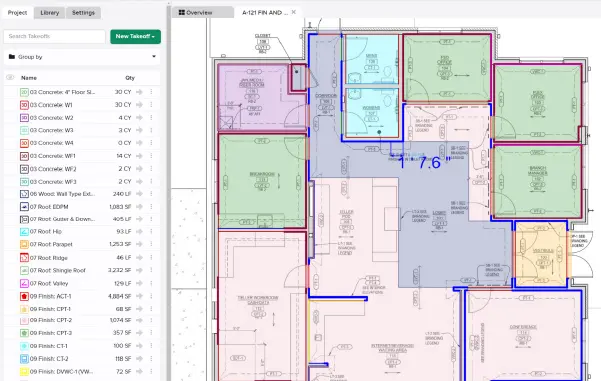
- Takeoff and Estimating – Contractors use tools like STACK to measure quantities and calculate accurate costs.
- Proposal Creation – The proposal compiles pricing, scope, timeline, and credentials into a persuasive bid.
- Submission and Evaluation – Owners review competing bids, evaluating both cost and quality.
- Selection and Award – The winning bid is chosen based on overall value, not always the lowest price.
To dive deeper into the full process, read our detailed guide: How to Bid Construction Projects.
Key Components of a Bid Proposal
A winning construction bid proposal should be complete, organized, and client-focused. Each section plays a specific role in demonstrating your credibility and professionalism.
Cover Letter or Introduction
Your cover letter sets the tone. Address it directly to the decision-maker and summarize the project, your enthusiasm, and why your firm is the best fit. Keep it brief—no more than one page—but warm and professional.
This bidding proposal letter should:
- Acknowledge the opportunity.
- Summarize your understanding of the project.
- Highlight your experience or unique value.
- Include a confident, forward-looking statement.
Company Information, Experience, and Qualifications
This section builds trust. Include your company overview, years in business, licensing, safety record, and relevant experience. Mention past projects of similar size or complexity, showcasing your team’s technical expertise and reliability.
Project Scope and Deliverables
Clearly define what’s included (and excluded) in your work. Outline materials, labor, equipment, and responsibilities to eliminate ambiguity. This section should align closely with the construction bid form or bid sheet provided by the client.
Drawings and Specifications
Reference all relevant drawings, specs, and addenda. If you’re submitting your own design details or clarifications, label and attach them neatly. This ensures consistency between your construction project proposal and the client’s documentation.
Detailed Cost Estimate and Pricing
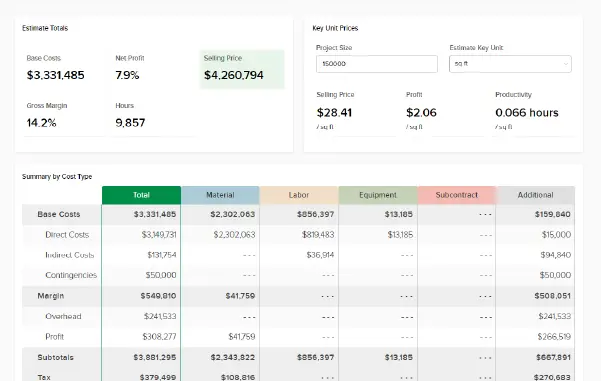
Your pricing should be transparent and broken down logically. Include line items for labor, materials, equipment, and overhead. Use clear formatting or tables—similar to a construction bid sheet—to help owners evaluate your proposal easily.
If pricing is complex, include a construction bid checklist that summarizes cost categories and assumptions. Always note any contingencies or escalation clauses for clarity.
Project Timeline and Milestones
Outline your proposed schedule, key milestones, and completion date. A visual timeline or Gantt chart helps clients understand your plan at a glance. Include contingencies for weather delays or material lead times.
Social Proof and References to Previous Work
Reinforce credibility by listing client testimonials, references, and photos of past work. This social proof shows that you deliver consistent quality and build strong client relationships.
Proof of Insurance, Finances, and Required Documentation
Include proof of licensing, bonding capacity, insurance certificates, and financial stability. Many public and private projects require this documentation upfront. It shows you’re compliant and ready to mobilize.
Additional Parties and Contractors Involved
Identify key subcontractors or suppliers who will participate in the project. Listing them demonstrates transparency and helps owners assess the overall reliability of your team.
Terms, Conditions, and Exclusions
Detail the legal and operational terms under which you’ll perform the work. Be clear about exclusions—what’s not included—to prevent disputes later. Cover payment schedules, warranties, and change order procedures.
Contact Information
Provide the names, titles, phone numbers, and emails of your key contacts—typically the estimator, project manager, and authorized company representative.
Signatures and Authorizations
End with authorized signatures from your company representatives. This formalizes your commitment and makes your proposal appear professional and binding.
Best Practices for Writing Construction Job Proposals
Strong construction bid writing combines clarity, persuasion, and precision. Follow these best practices to stand out from the competition.
Be Clear and Concise
Avoid industry jargon and lengthy explanations. Decision-makers often skim proposals—get your point across with direct language and clear formatting.
Research Your Client
Understand your client’s goals, project history, and decision-making criteria. Tailoring your tone and proposal structure to their needs shows professionalism and empathy.
Tailor the Proposal
Don’t reuse the same document for every bid. Adapt each section to the project type, location, and client expectations. Personalized proposals feel authentic and relevant.
Assess Costs vs Rewards
Before investing time in writing, evaluate whether the project aligns with your business strategy and capacity. Competitive bidding can consume resources—make sure the potential reward justifies the effort.
Demonstrate Serious Value
Owners aren’t always looking for the lowest bid—they want the best value. Emphasize efficiency, safety, sustainability, or technical expertise that sets your firm apart.
Double-Check Accuracy
Nothing undermines credibility faster than math errors or missing information. Review your construction bid form and cost breakdowns thoroughly before submission.
Know Your Competition
Understanding what your competitors typically offer helps you position your proposal more strategically. Highlight differentiators like faster delivery, better warranties, or specialized experience.
Follow Instructions if Given
If the client provides a bid proposal format or specific submission requirements, follow them exactly. Many proposals are disqualified simply because they ignore formatting rules.
Use Visuals and Formatting for Readability
Tables, bullet points, and headings make your proposal easy to navigate. Include photos or graphics where helpful. A clean layout suggests attention to detail.
Have a Checklist
Create a construction bid checklist to verify that your proposal includes every section, document, and attachment required. This habit prevents oversights that could cost you the job.
Following a Template When Writing the Proposal
Consistency saves time and ensures professionalism. A construction bid proposal template gives you a standardized structure to follow. Customize it for each project but keep the core elements intact.
A strong proposal template or company-standard format should include:
- Cover Letter
- Company Profile and Experience
- Project Scope
- Schedule and Milestones
- Cost Breakdown
- Terms and Conditions
- Attachments and References
- Signature Page
This proposal document framework ensures that each submission looks professional and complete—critical when clients compare multiple bidders side by side
Get Writing with STACK
Creating accurate, detailed, and persuasive proposals can be time-consuming—especially when managing multiple bids at once. STACK’s construction estimating and bidding software streamlines the process from takeoff to submission.
With STACK, you can:
- Generate precise quantity takeoffs directly from digital blueprints.
- Calculate costs and markups automatically.
- Populate a ready-to-send proposal document with your data.
- Store templates, logos, and formatting for consistent branding.
- Collaborate with team members in real time.
Using STACK, you can focus on strategy and client communication rather than spreadsheets and manual calculations. It’s the easiest way to write a bid proposal for construction that’s accurate, professional, and ready to win.
Additional FAQ
What’s the difference between a bid and a proposal?
A bid primarily focuses on cost—it’s a numerical offer to complete a project for a specified amount. A proposal, on the other hand, includes both pricing and supporting documentation that explains how the work will be performed and why your company is the best fit.
How long should a bid proposal be?
Most proposals are between 3 to 10 pages, depending on project complexity. The goal is to provide enough detail for evaluation without overwhelming the reader.
What’s the most common mistake in writing proposals?
Leaving out key documentation or failing to follow instructions. Many proposals lose credibility because of missing signatures, incomplete cost breakdowns, or unclear scopes.
How do bid proposals vary for different sized projects?
Small projects often require brief construction job proposals with basic cost summaries. Larger projects need detailed sections, formal terms, and supporting documentation like insurance and financials.
Can construction software help improve proposals?
Absolutely. Tools like STACK automate takeoffs, estimate costs, and help you generate polished proposals quickly—reducing errors and improving consistency across bids.
Final Thoughts
Learning how to write a bid proposal for construction isn’t just about structure—it’s about storytelling. Every successful bid communicates that your company understands the project, values the client’s goals, and can deliver with confidence.
By following this guide and leveraging modern software like STACK, you can produce proposals that not only compete—but consistently win.