






Construction projects depend on thousands of documents moving between teams, systems, and jobsites every day. From drawings and specifications to RFIs, submittals, and contracts, accurate documentation is the backbone of every successful construction project. That’s why understanding why document control is important is essential for contractors, estimators, project managers, and owners alike. Without strong document control in place, teams risk working from outdated information, missing critical approvals, and exposing projects to costly delays, disputes, and rework.
In a fast-paced industry where margins are tight and timelines are unforgiving, document control is more than administrative housekeeping—it’s a strategic advantage. When construction companies prioritize document control, they create clarity, accountability, and consistency across every phase of the build. This article explores why document control matters in construction, the challenges teams face, and the best practices and tools that help keep projects organized, compliant, and profitable.
Key Takeaways
- Construction projects rely on accurate, up-to-date documentation to avoid errors, delays, and rework
- Poor document control creates miscommunication, compliance risks, and budget overruns
- Effective document control in construction improves collaboration between office and field teams
- Standardized processes and centralized systems are critical for managing document volume
- Cloud-based construction document management tools help teams stay aligned and productive
- STACK provides construction software with document control capabilities designed to reduce risk and improve efficiency
What is Document Control in Construction?
Document control in construction refers to the structured process of creating, organizing, tracking, distributing, and updating project documents throughout their lifecycle. It ensures that every stakeholder—from estimators and project managers to subcontractors and field crews—has access to the correct version of each document at the right time.
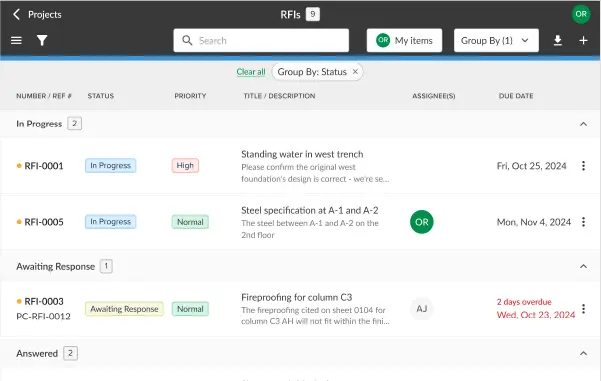
In a construction environment, document control covers a wide range of materials, including drawings, specifications, contracts, schedules, change orders, RFIs, submittals, safety documentation, and closeout records. Effective construction document control establishes rules for how these files are named, stored, revised, approved, and archived.
Document control is closely tied to quality management and risk reduction. When teams rely on clear workflows and version tracking, they reduce errors caused by outdated information and create a reliable audit trail. A dedicated document controller or a robust document management system often oversees these processes to maintain consistency and accountability across projects.
The Challenges Construction Companies Are Facing
Construction teams manage an overwhelming volume of documents, often across multiple projects and stakeholders. Many companies still rely on email threads, shared drives, spreadsheets, or paper files, which introduces significant risk and inefficiency.
One of the biggest challenges is version control. When documents are shared manually, it’s easy for teams to work from outdated drawings or specifications. A single incorrect version can lead to installation errors, failed inspections, or expensive rework.
Another common issue is siloed information. Office teams, field crews, subcontractors, and owners often use different tools, making it difficult to ensure everyone is aligned. This lack of visibility slows decision-making and increases miscommunication.
Compliance is also a growing concern. Construction projects must meet regulatory, safety, and contractual requirements, all of which depend on accurate documentation. Poor document control makes it difficult to prove compliance or respond quickly during audits and disputes.
Finally, the sheer volume of documents generated over the life of a project creates organizational strain. Without a centralized approach to construction document management, teams waste time searching for files instead of focusing on building.
The Reasons Document Control is Critical
Understanding why document control is important requires looking at how documentation impacts every aspect of construction performance. Strong document control supports accuracy, accountability, and efficiency while protecting profitability.
Preventing Errors
Errors often occur when teams rely on outdated or incorrect documents. Document control in construction ensures that only approved, current versions are accessible, reducing mistakes in the field. By controlling revisions and approvals, teams avoid rework and maintain build quality.
Ensuring Compliance
Construction projects are subject to strict regulations, safety standards, and contractual obligations. Effective document control provides a clear record of approvals, changes, and communications. This transparency helps teams meet compliance requirements and defend against claims or disputes.
Improving Collaboration
Collaboration depends on shared understanding. When teams use centralized systems and standardized processes, information flows more smoothly between office and field. Construction software with document control capabilities allows stakeholders to access documents in real time, improving coordination and accountability.
Reducing Project Delays
Delays often stem from missing information or slow approvals. Strong document control streamlines workflows by ensuring documents move efficiently through review cycles. Faster access to accurate information helps keep schedules on track and minimizes downtime.
Staying on Budget
Rework, disputes, and delays directly impact project costs. By maintaining accurate documentation and reducing errors, document control helps protect profit margins. Clear records also support change management, ensuring that scope adjustments are documented and billed correctly.
Document Control Best Practices
Implementing strong document control best practices helps construction teams stay organized, reduce risk, and improve productivity. These strategies create consistency across projects and make documentation easier to manage as volume increases.
Standardizing Documentation
Standard naming conventions, templates, and workflows reduce confusion and improve efficiency. When everyone follows the same rules, documents are easier to find, track, and update. Standardization also supports scalability as teams take on more projects.
Using Cloud-Based Tools
Cloud-based platforms allow teams to access documents from anywhere, whether in the office or on the jobsite. These tools support real-time updates and version control, ensuring everyone works from the same information.
Implementing Permission Controls
Not every stakeholder needs access to every document. Permission controls limit who can view, edit, or approve files, reducing the risk of unauthorized changes. This added layer of security supports accountability and compliance.
Establishing a Centralized Repository
A single source of truth is essential for effective document control. Centralized repositories eliminate duplicate files and scattered storage locations. When all documents live in one system, teams save time and reduce errors caused by inconsistent information.
Manage Documents with STACK Construction Software
Modern construction teams need tools that support efficient document workflows without adding complexity. STACK offers construction software with document control features designed to keep teams organized, aligned, and project-ready.
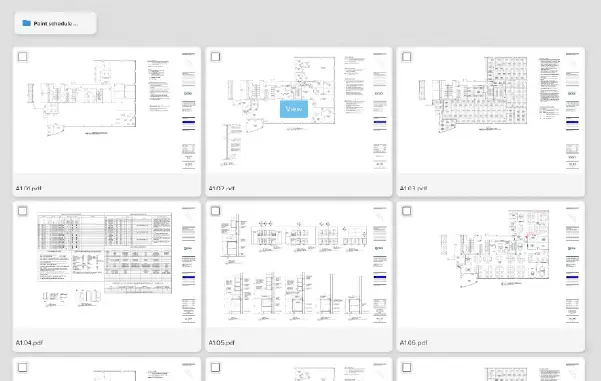
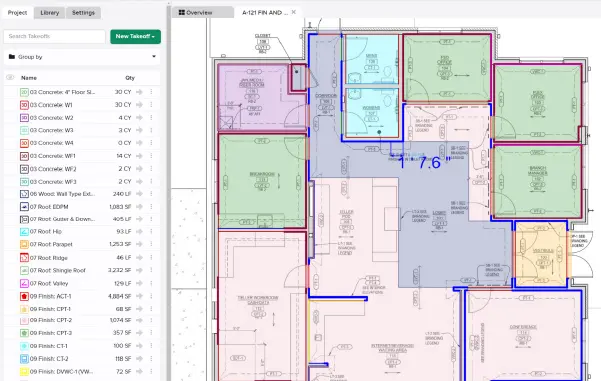
With cloud-based access, STACK helps teams manage drawings and documents in one centralized platform. Users can track revisions, control permissions, and ensure everyone is working from the most current information. This streamlined approach reduces rework, improves communication, and supports better decision-making throughout the project lifecycle.
By integrating document control into a broader construction technology ecosystem, STACK helps teams move faster while maintaining accuracy and accountability. For companies looking to improve construction document management and reduce risk, STACK provides a scalable solution built for the realities of today’s construction industry.