






In today’s fast-paced construction environment, accuracy and efficiency can make or break a bid. That’s why understanding takeoff software key features is so important for contractors, estimators, and construction teams looking to stay competitive. Digital takeoff tools have transformed how quantities are measured, costs are estimated, and projects are planned—replacing time-consuming manual processes with faster, more reliable workflows.
As project complexity increases and margins tighten, the importance of takeoff software continues to grow. The right solution helps teams complete takeoffs faster, reduce costly errors, collaborate more effectively, and ultimately submit stronger, more profitable bids. In this article, we’ll break down what defines high-quality takeoff software, explain why these features matter, and show how STACK delivers everything modern construction teams need.
Key Takeaways
- Takeoff software replaces manual measurements with accurate digital workflows that improve estimating and bidding outcomes
- Understanding takeoff software helps contractors choose tools that support efficiency and scalability
- The most effective platforms combine intuitive design, precise measurements, and integrated estimating
- Cloud-based access enables real-time collaboration across teams and locations
- Evaluating what makes good takeoff software ensures long-term value and usability
- STACK delivers all essential capabilities in one powerful, easy-to-use platform
What Is Takeoff Software and Why Do You Need It?
Before evaluating features, it’s important to clearly understand what takeoff software is. At its core, takeoff software is a digital tool used to measure quantities—such as lengths, areas, and counts—directly from construction plans. These quantities form the foundation of accurate estimates, material orders, and project schedules.
Traditional manual takeoffs involve printed drawings, rulers, scale tools, and spreadsheets. While familiar, these methods are slow, error-prone, and difficult to update when plans change. Modern construction takeoff software eliminates these inefficiencies by allowing estimators to upload digital plans, measure with precision, and instantly adjust quantities as drawings are revised.
The importance of takeoff software extends well beyond speed. Accurate takeoffs directly impact estimating accuracy, bidding competitiveness, labor planning, and procurement. When quantities are wrong, estimates suffer—and so do profit margins. Digital takeoff solutions help teams reduce risk, improve consistency, and scale their operations without increasing overhead.
For contractors bidding more projects with tighter deadlines, takeoff software is no longer optional—it’s essential.
The Most Important Features To Look For
Not all takeoff tools are created equal. To truly support estimating workflows and business growth, software must offer more than basic measurement capabilities. Below are the most critical features to look for when evaluating takeoff solutions and the real-world impact each one has on your team.
- Intuitive, User-Friendly Interface
One of the most overlooked but critical factors in adoption is usability. An intuitive interface ensures that estimators can get up and running quickly without weeks of training. The best takeoff software is designed with construction workflows in mind, offering logical navigation, clear toolsets, and minimal friction.
A user-friendly platform reduces onboarding time, increases estimator productivity, and minimizes mistakes caused by confusion or overly complex systems. When teams can focus on takeoffs instead of fighting the software, efficiency improves across the board—especially for takeoff software for estimators who are under constant deadline pressure.
- Accurate and Dynamic Measurement Tools
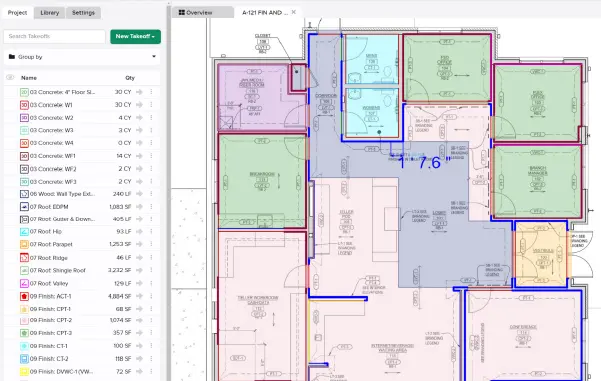
At the heart of any takeoff solution are its measurement capabilities. High-quality software offers precise tools for linear, area, and count measurements, with the ability to adjust scale, snap to points, and apply measurement formulas.
Dynamic measurements are especially important. When plans change—as they often do—quantities should update quickly without requiring a full redo. This level of accuracy directly influences estimate reliability and helps prevent material shortages or overages.
These capabilities are among the most important benefits of takeoff software, as they reduce human error and ensure consistency across all projects.
- Cloud-Based Access and Real-Time Collaboration
Modern construction teams are rarely confined to a single office. A cloud-based takeoff platform allows users to access projects from anywhere, whether in the office, at home, or in the field. More importantly, it enables real-time collaboration across teams.
With cloud access, multiple users can work on the same project simultaneously, share updates instantly, and avoid version control issues. This is especially valuable for companies managing multiple estimators, remote teams, or high bid volumes.
Real-time collaboration improves communication, reduces duplicated effort, and ensures everyone is working from the same set of data—key advantages in today’s fast-moving bid environment.
- Estimating Capabilities
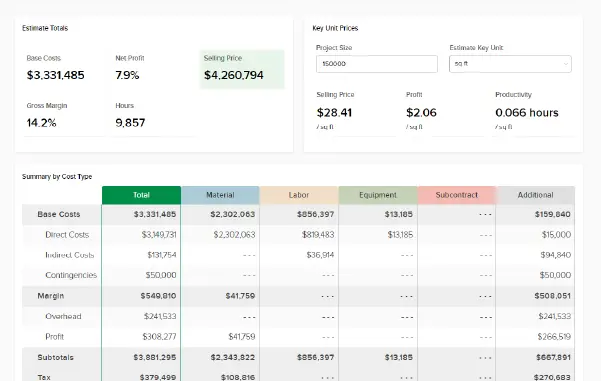
Takeoffs don’t exist in isolation. The most effective tools integrate takeoff and estimating workflows, allowing measured quantities to flow directly into cost calculations. Strong estimating capabilities include cost databases, assemblies, labor rates, and customizable pricing structures.
When takeoff and estimating are connected, teams save time and reduce errors caused by manual data transfer. This integration allows estimators to analyze scenarios quickly, adjust pricing strategies, and submit bids with greater confidence.
Software that supports both takeoff and estimating provides a more complete solution, helping contractors move seamlessly from measurement to bid submission.
- Seamless File Handling and Plan Organization
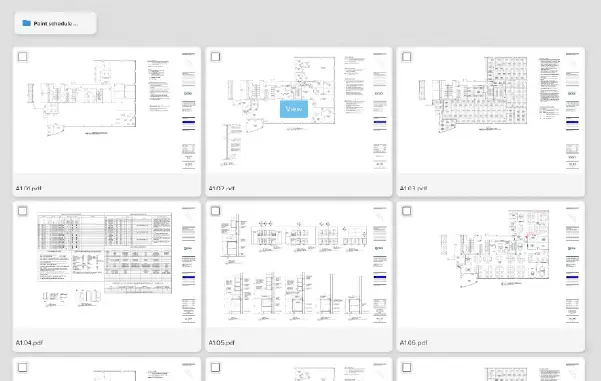
Construction projects generate a large volume of drawings, revisions, and documents. Good takeoff software simplifies file management by supporting multiple file types, large plan sets, and easy plan navigation.
Features like automatic sheet detection, version tracking, and organized plan folders help estimators stay focused and avoid costly mistakes. Seamless file handling ensures that users always know which drawings are current and where to find the information they need.
Efficient plan organization becomes increasingly important as project size and complexity grow.
- Responsive Support and Educational Materials
Even the best software requires support. High-quality takeoff solutions are backed by responsive customer service, training resources, and ongoing education. This includes onboarding assistance, tutorials, webinars, and knowledge bases.
Reliable support minimizes downtime and helps teams get maximum value from the software. Educational materials also empower users to adopt new features and improve workflows over time, ensuring the platform grows with the business.
Strong support is often a deciding factor in long-term satisfaction and return on investment.
- Advanced Integrations and Features
Finally, the best takeoff software doesn’t operate in a silo. Advanced integrations with project management, accounting, and estimating tools create a connected ecosystem that supports the full project lifecycle.
Additional features—such as historical cost data, reporting, and analytics—help teams refine their estimating strategies and improve accuracy over time. These advanced capabilities distinguish basic tools from enterprise-ready solutions and play a key role in evaluating what makes good takeoff software truly valuable.
STACK Does It All
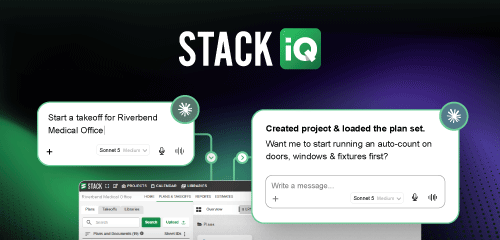
STACK is built specifically for construction professionals who need speed, accuracy, and flexibility in their takeoff and estimating workflows. As an industry-leading solution, STACK delivers every essential feature discussed above—within one powerful, easy-to-use platform.
With an intuitive interface, STACK enables estimators to perform accurate digital takeoffs quickly, regardless of project size or complexity. Its advanced measurement tools ensure precision, while dynamic updates allow users to adapt instantly to plan changes.
As a fully cloud-based platform, STACK supports real-time collaboration, enabling teams to work together from anywhere without worrying about version control or file access. Integrated estimating capabilities streamline the transition from quantities to costs, reducing manual entry and improving bid accuracy.
STACK also excels in file handling and plan organization, making it easy to manage large drawing sets and revisions. Backed by responsive customer support and extensive educational resources, STACK ensures users get value from day one and continue improving over time.
For contractors looking to improve accuracy, win more bids, and streamline operations, STACK delivers all the takeoff software key features needed to succeed—today and in the future.