






AI is showing up in nearly every estimating conversation right now, but two of our STACK industry consultants say the biggest advantage in preconstruction still comes from a habit that predates any software: writing your logic down so someone else can pick it up.
During a recent STACK webinar, What the Best Estimators Already Know, Meena Hamati, STACK Industry Consultant and professional engineer and quantity surveyor, and Garrett Hume, STACK Senior Industry Consultant and a former estimator and project manager, walked through more than a decade of combined experience watching the estimating process change.
Meena traced a personal journey from paper takeoffs to AI-assisted workflows. Garrett made the case that no matter which tool sits on top, an estimate is only as good as its ability to be defended, first by the estimator who built it, then by whoever inherits it next.
From Pencil to AI: An Estimator's Journey
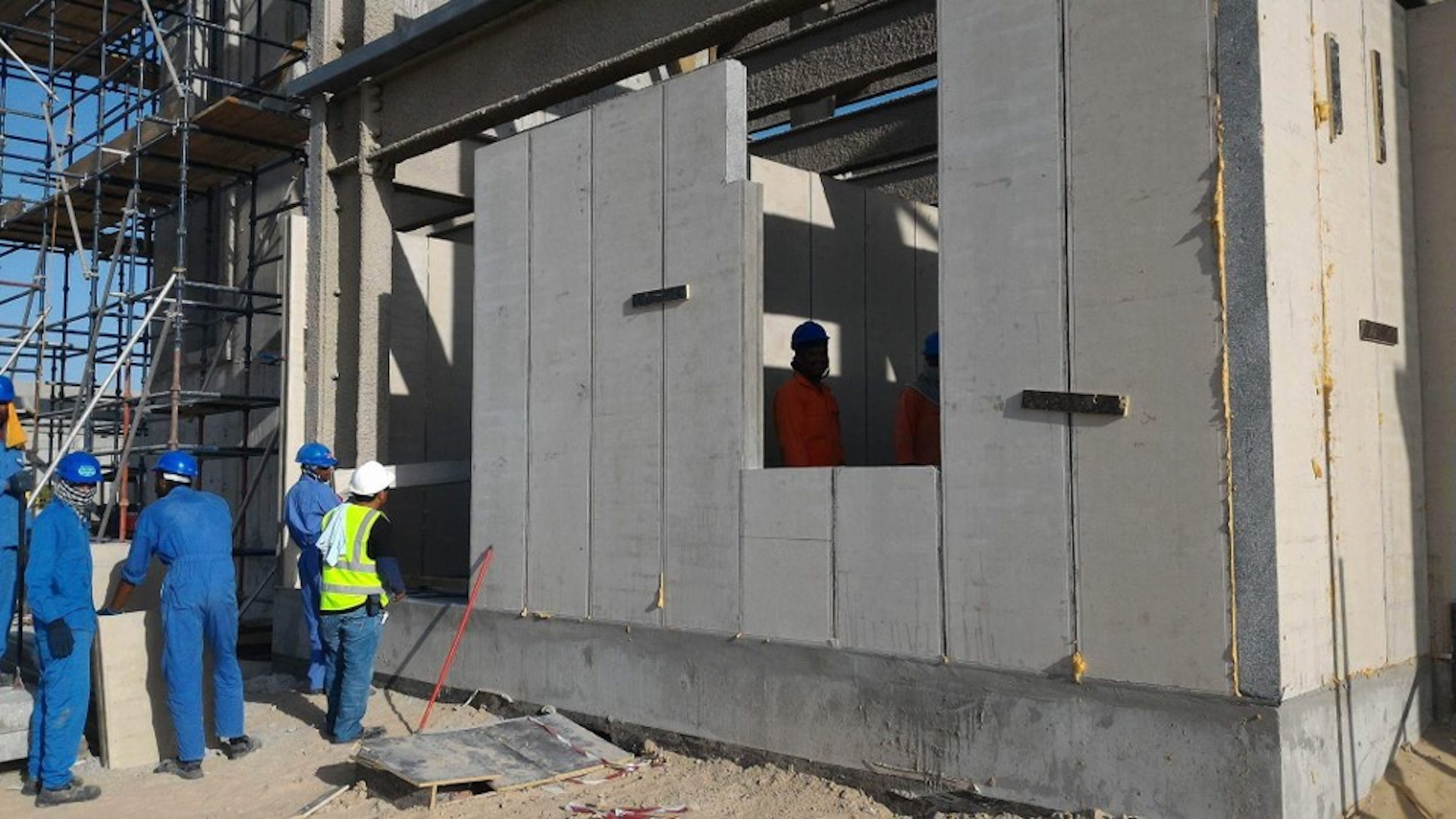
Meena’s career started at a small General Contractor in the UAE, building windows, houses, warehouses, restaurants, and steel structures.
As the only engineer on staff, the days ran from 7am to 7pm, moving between the jobsite and the office to handle estimating, procurement, and invoicing in the same stretch of hours.
A move to a larger contractor building a remote workforce camp for a gas company taught a different lesson: location matters. In the middle of the desert, a missing bolt wasn’t a quick trip to the hardware store. It was an hour’s drive to the nearest supplier, if there was one at all.
The Estimating Gap
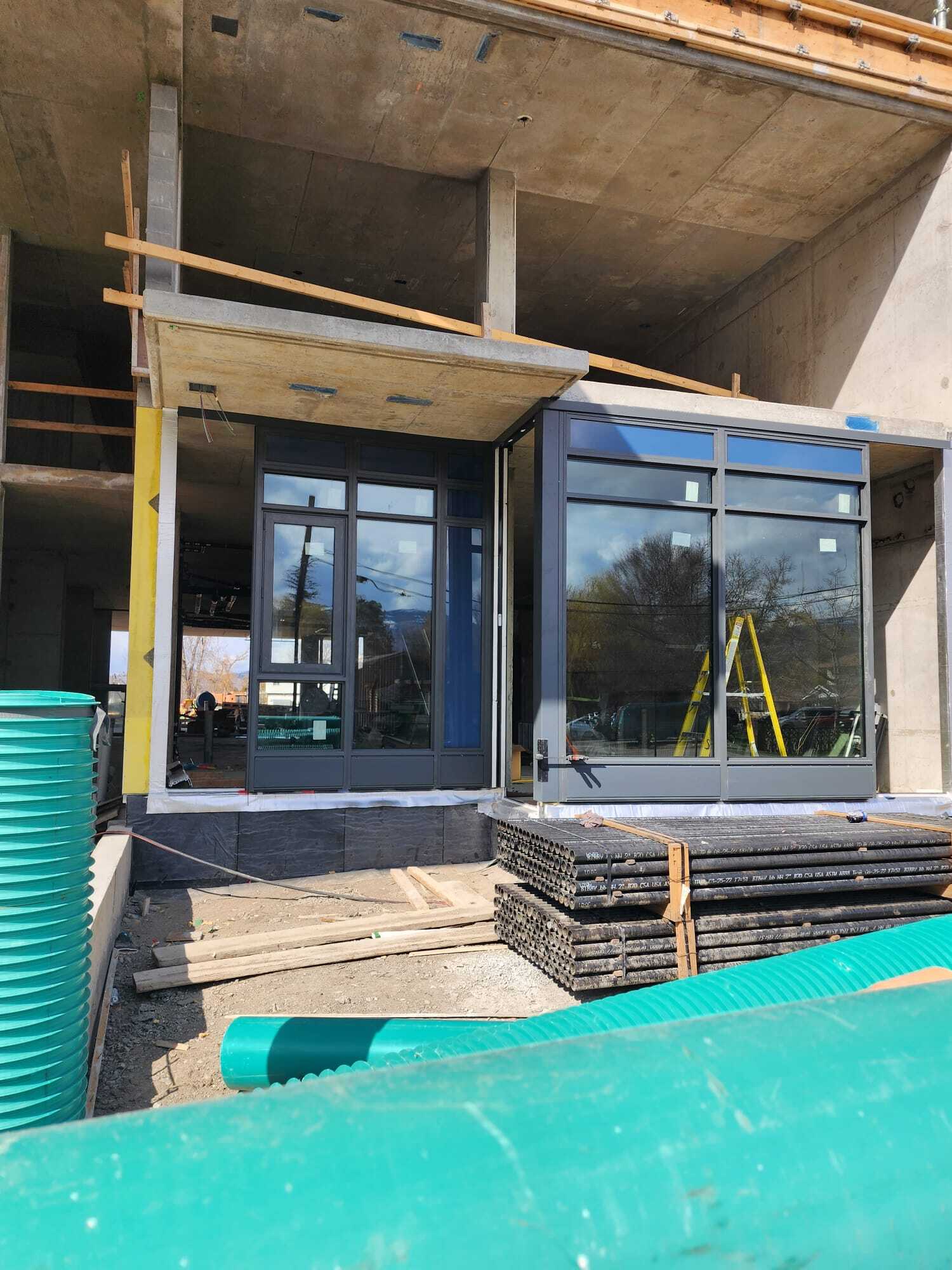
After immigrating to Canada, the learning started over again with new building codes and new materials, then continued through seven years with glazing contractors on commercial and residential towers ranging from $20 million to $100 million in project value.
The tools changed at every stop. Meena talked through the full progression: “printed drawings marked up with highlighters and rulers, plan sets printed at full A1 size because a monitor couldn’t show enough detail, hand takeoffs recopied into Excel, and full re-dos every time a client changed the scope. Finished bid packages had to be archived, first in a climate-controlled storeroom, then burned to CD, then buried on an unlabeled USB drive that would turn up years later with a folder simply named “miscellaneous 2015.”
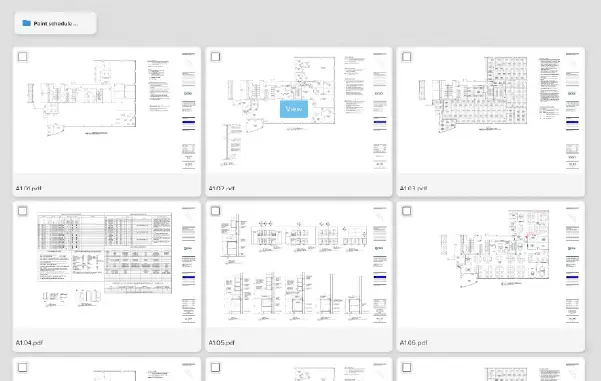
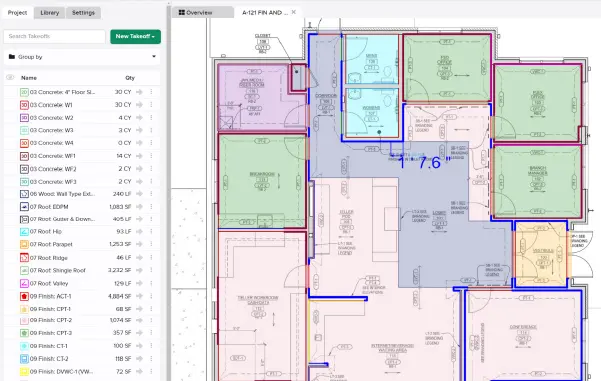
STACK closed that gap. Drawings, takeoffs, highlights, and estimates finally lived on one platform instead of scattered across drives and shelves. Meena stated:
“Every line connects to a real cost item, and everyone can see the same thing I’m seeing. Everyone knows what I assumed and what I estimated.”
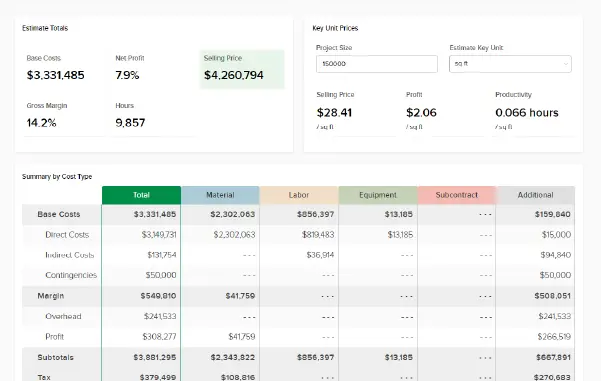
That single-platform foundation is also what makes AI useful on top of it. Meena is already using AI to help produce documents beyond the estimate itself, like bid forms, schedules of value, and change orders, pulled straight from data that already lives in STACK.





Always Be Able to Defend Your Number
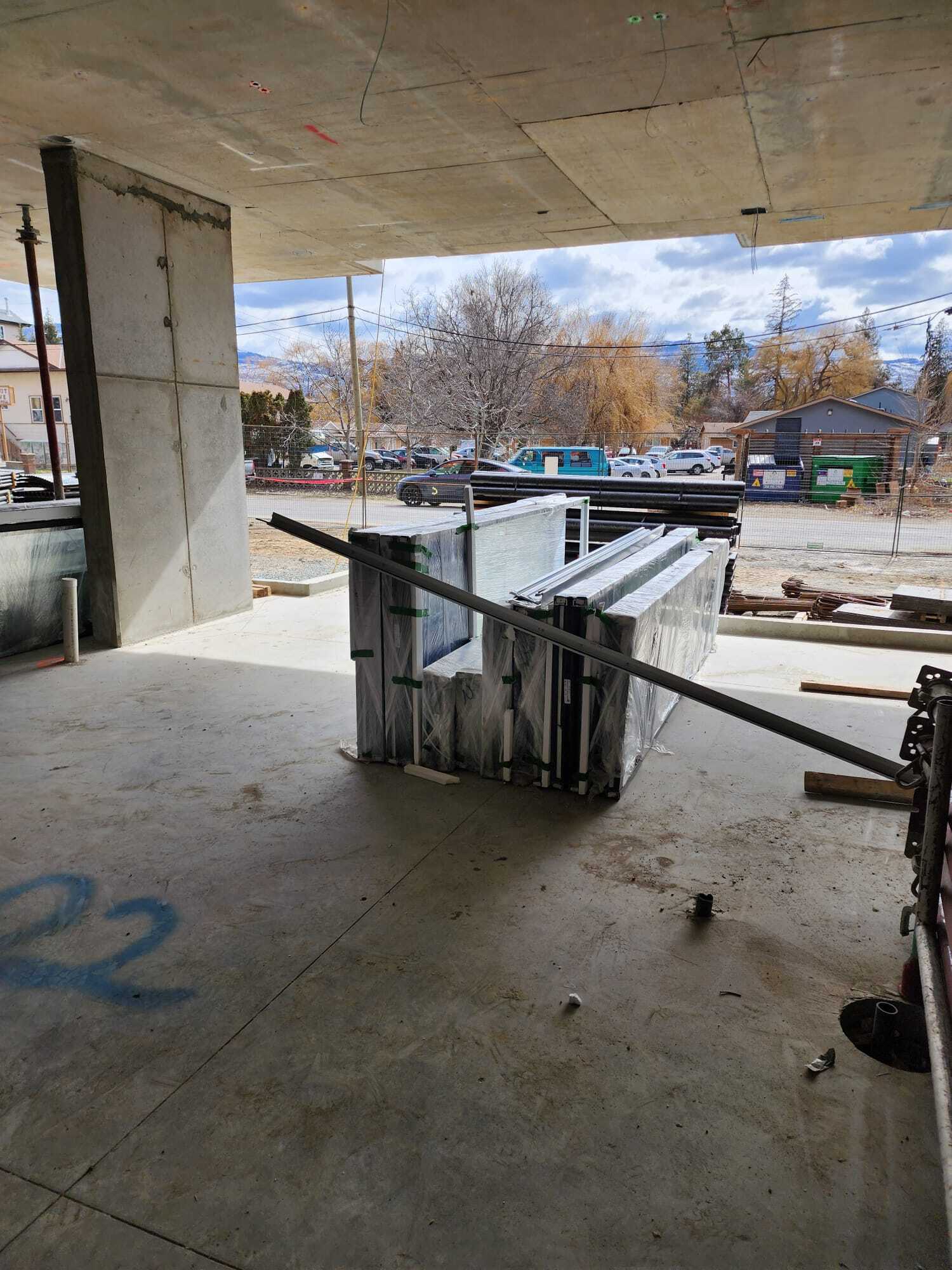
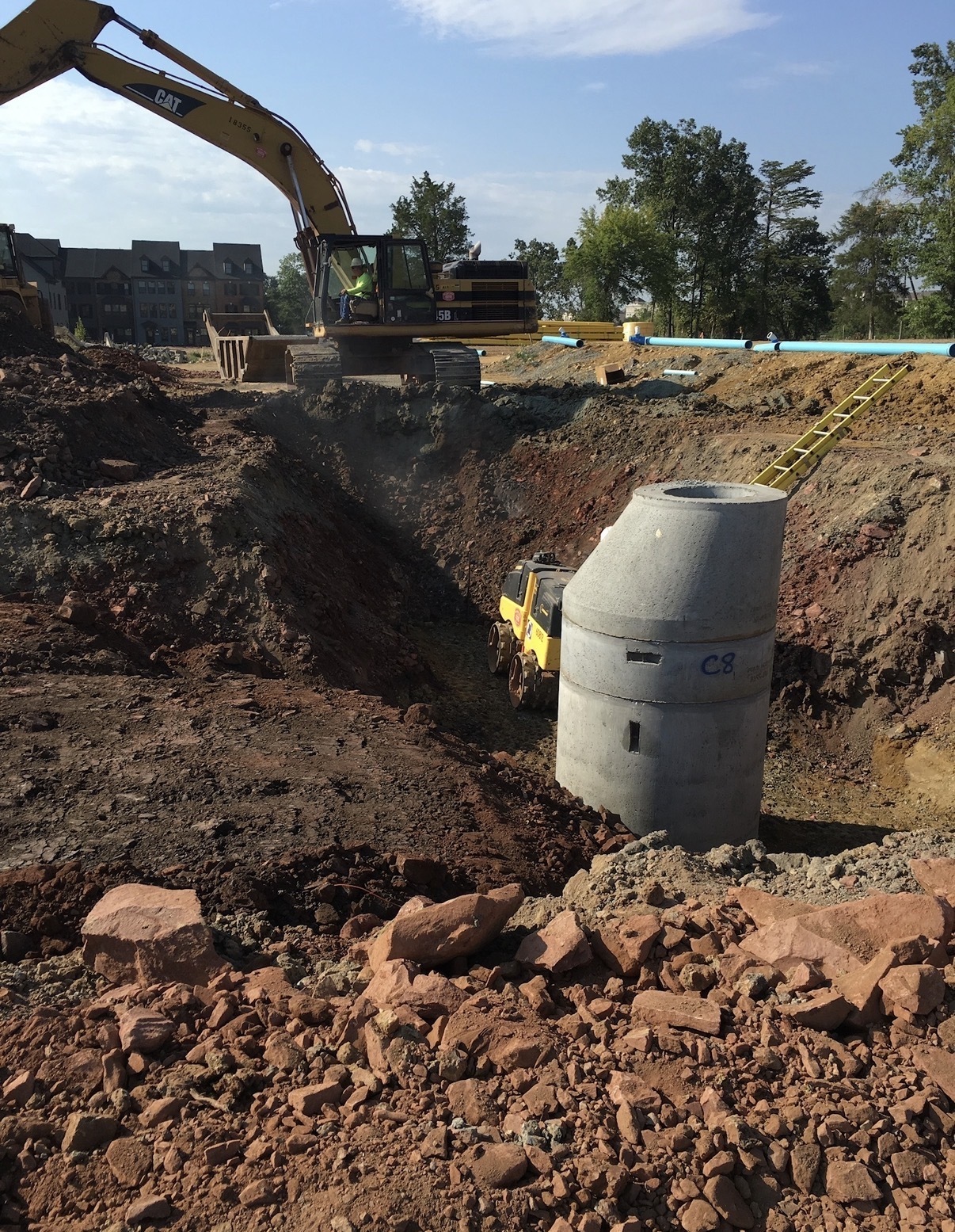
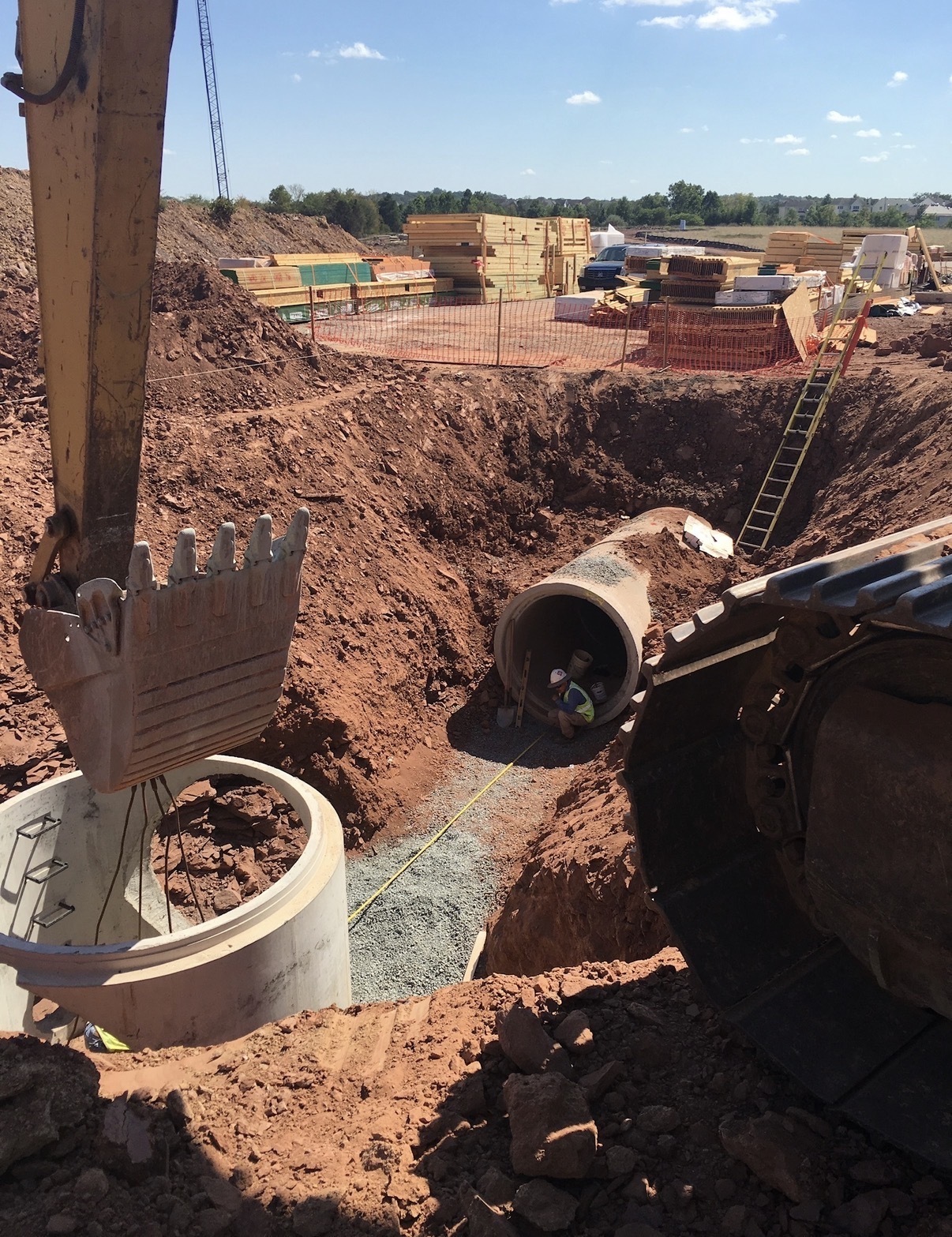
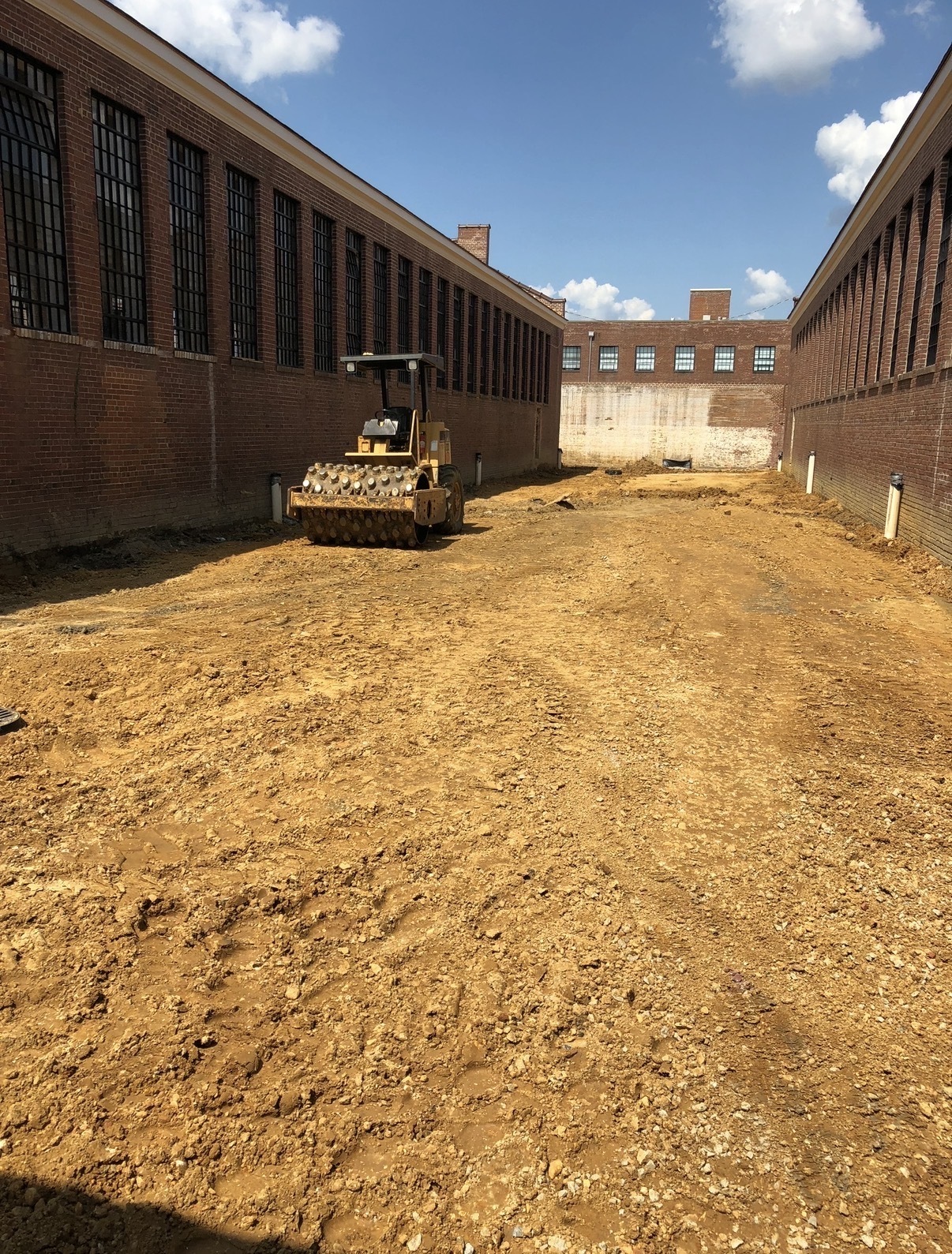
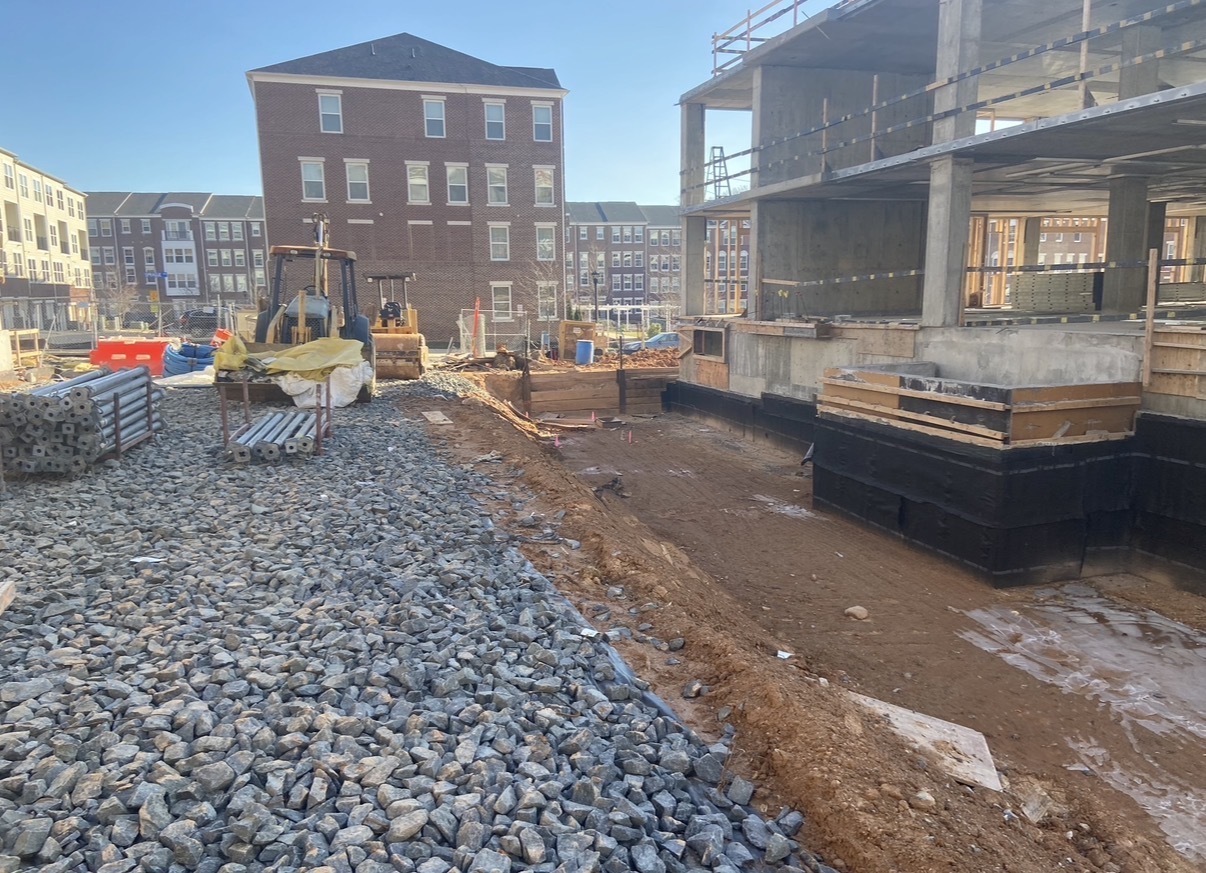
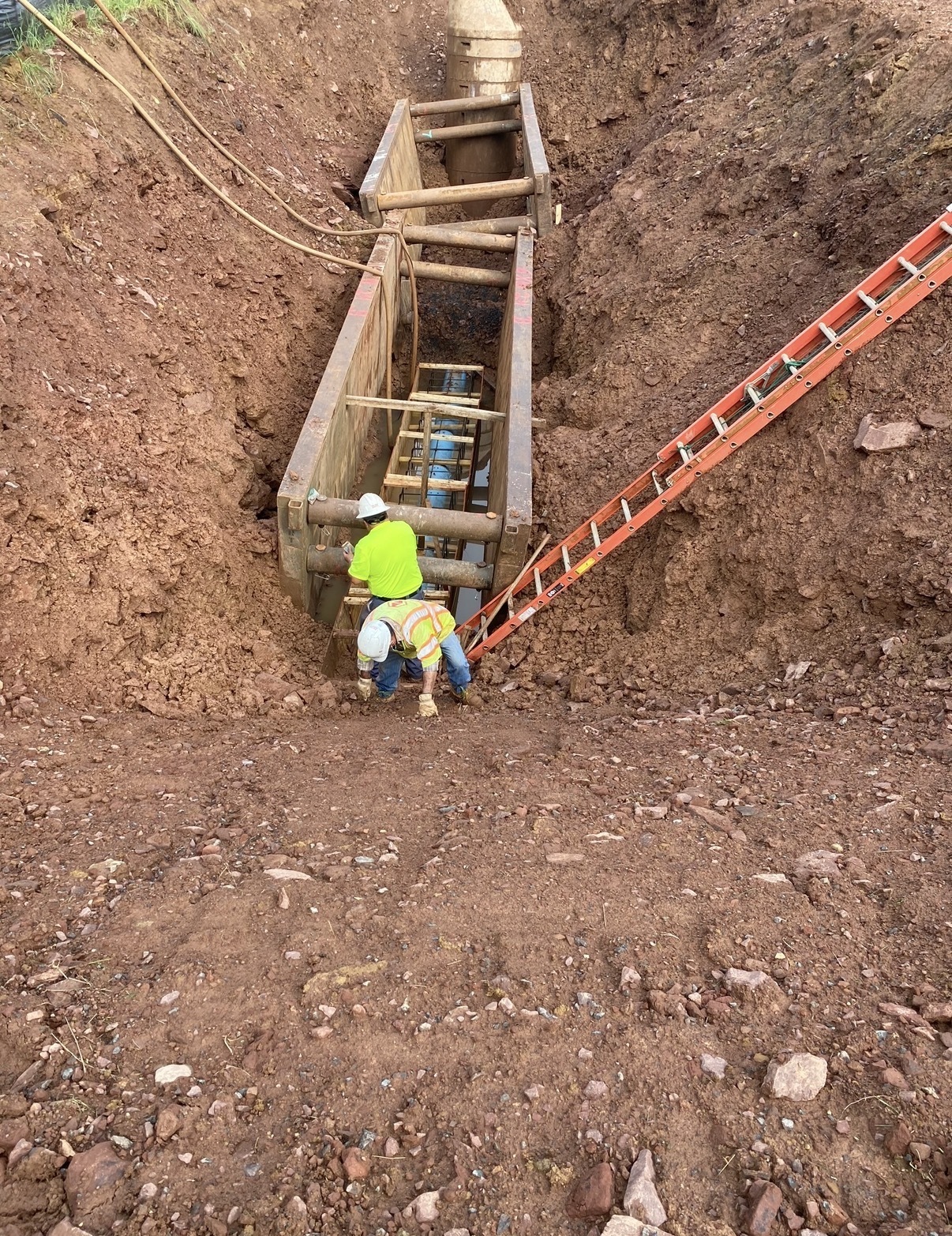
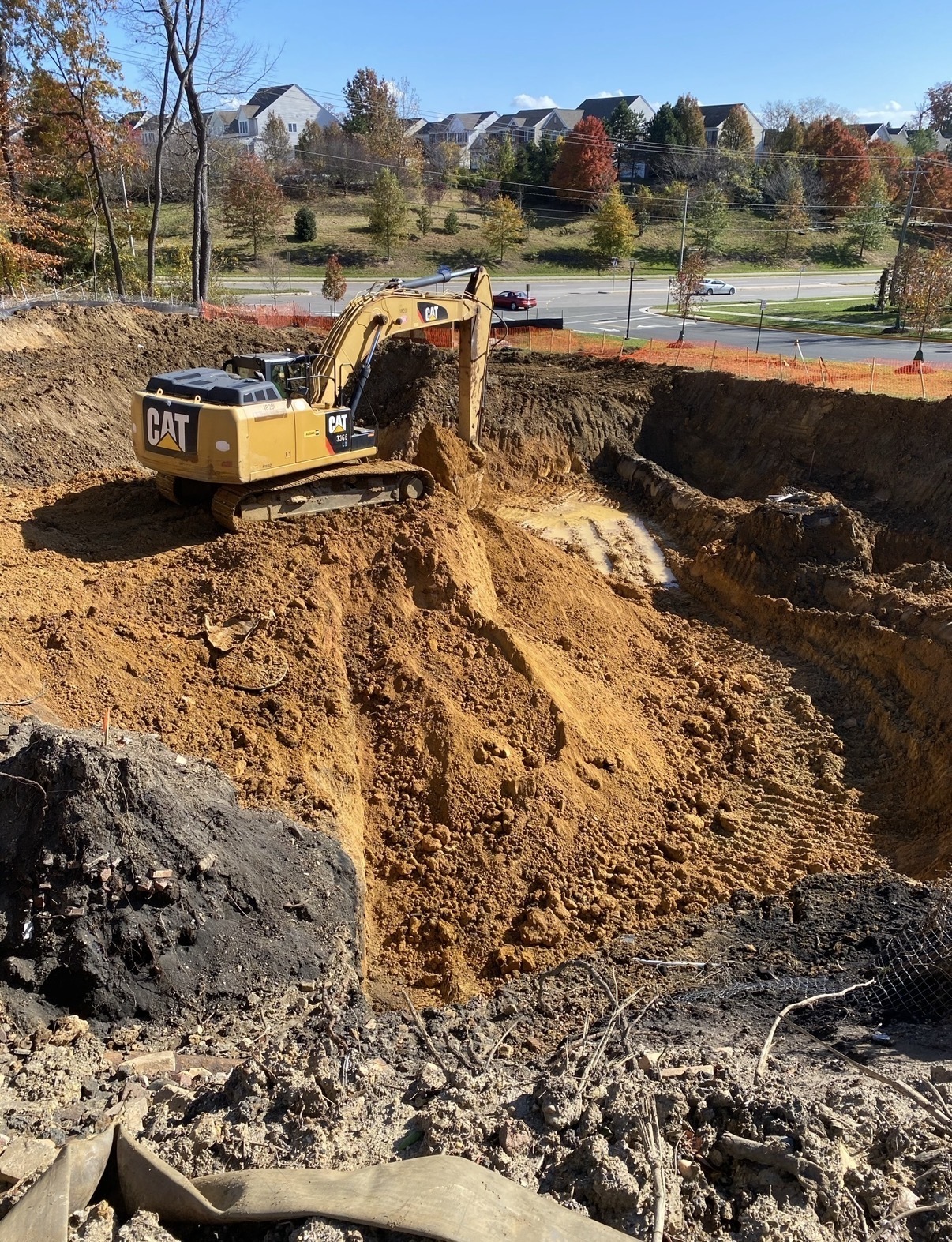
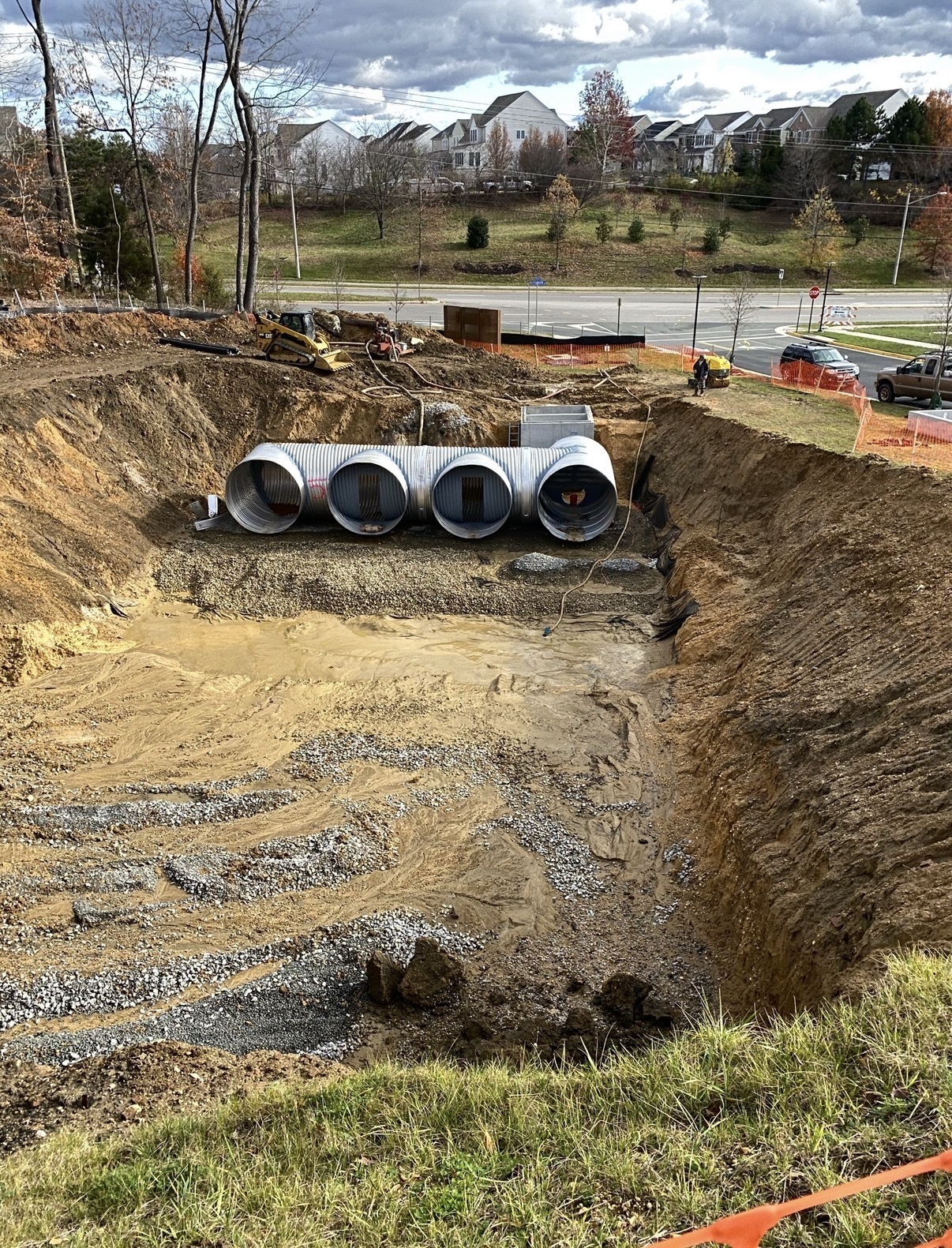
Before joining STACK, Garrett spent eight years in construction in Northern Virginia, working for a site developer across a wide range of projects.
Things such as data centers, public improvement work, large residential subdivisions, and even an old prison rehabilitation project. He started as an estimator and later moved into project management.
The detail that shaped everything else came first: before he ever sat down at a desk to take off a job, his company put him in the field for a few months with every crew it self-performed work with. Garrett stated: “[Working in the field] turned out to be one of the most useful things that happened in my career.”
Once he’d seen the crews at work, a plan set stopped being just line items on a page. He could see how long tasks would actually take, where crews would stage, and what would get in their way. “Assumptions built from [field] logic will hold up. Assumptions built from a unit cost you found in a workbook do not.”
Defend Your Number
That field time is where the rest of his argument comes from. Garrett opened the second half of the webinar with a rule passed down from an early mentor: always be able to defend your number. He states: “If an owner calls and starts squabbling about a change order and asks why this cost what it cost, you can walk them through it right there. Not after you open a file, not in a callback. Right then and there.”
Defensibility, Garrett argued, actually has three levels, and each one is harder than the last. The easiest is defending your own number. You were in the room, so you remember the logic. The harder version is whether another estimator in your shop can back into that same number with almost no help from you. The hardest, and the one nobody wants to practice for, is whether anyone can do it after you’re gone.
Garrett described a contractor whose entire estimating system was a spreadsheet one employee had built 20 years earlier. When that employee retired, the numbers still worked, but the logic behind them left with them. Rebuilding it took a long time, not because the math was hard, but because nobody left in the building could explain what the spreadsheet was actually doing. He says:
“Your best estimator’s logic is either written down somewhere, or it’s a retirement party away from being gone.”

The Five-Question Audit for a Defensible Estimate
Garrett’s fix doesn’t require new software.
It requires an audit, broken down into five questions to ask for every scope:
- What unit are you pricing in, and is the quantity you're carrying a neat quantity or an order quantity? Estimators mix these up constantly.
- What is your production rate, and where does it come from? Historical job cost, a rule of thumb, and a call to the superintendent are all acceptable answers. Not knowing which one is not.
- What is your waste factor, and does it live in the quantity or get baked into the unit price? This is the one nobody writes down.
- What is your crew, and is the labor burdened? Is the foreman's time counted in the hours or not?
- Where does this data land downstream? What cost codes does it roll up to, and what other documents will use it later?
Garrett worked through a concrete example: a 10,000-square-foot slab on grade, 6 inches thick. Every estimator in the room lands on roughly 185 cubic yards as the neat quantity. Add a 5% subgrade tolerance waste factor, applied to the visible quantity rather than hidden in the unit price, and the order quantity becomes 195 cubic yards. On the labor side, 8 workers over two 10-hour days works out to 0.86 hours per cubic yard, burdened with the foreman’s time included. None of that detail shows up in the final total, a single cell in a spreadsheet, but writing down those few lines took about 15 seconds each, and it’s what lets someone else back into the number without a phone call.
Why a Readable Estimate Is Also a Machine-Readable One
Garrett connected the audit directly to AI:
“Once it’s readable by a person, it’s typically also readable by a machine.”
Point an AI tool at a retired employee’s undocumented spreadsheet, and it will produce a confident, well-formatted guess. Point that same tool at a structured catalog where production rates, waste factors, crews, and assumptions are already written down, and it has something real to work with.
Where AI Actually Helps and Where It's Oversold
During the roundtable that followed, Garrett was direct about where AI earns its keep over the next 12 months and where it doesn’t.
Where it helps:
Reading structured data you already have to produce downstream documents like proposals, schedules of value, and job cost reports after a job is awarded, and flagging discrepancies between projects.
Where it’s oversold:
Making judgment calls and assumptions for you. AI won’t tell you that an owner is always going to shortchange a topsoil allowance, that a General Contractor’s schedule is fixed no matter what the drawings say, or that a stated one-month duration is optimistic. Meena and Garrett both still takeoff jobs personally for that reason. Learning the plan set by measuring it firsthand is part of how those assumptions get built in the first place.
Is AI Going to Replace Estimators?
Both Garrett and Meena answered the same way: no.
“You need someone to verify the numbers. You need someone to feed the AI.”
Meena Hamati
“Estimating is a judgment about risk. What AI is going to take away is four or five hours of you moving your own numbers between systems.”
Garrett Hume
STACK IQ
STACK customers leveraging STACK IQ are already seeing that pattern play out.
"STACK IQ is a huge first step towards a world in which we can use all of our knowledge and experience more productively. AI in general and STACK IQ specifically are hugely useful tools that don't replace us, and which don't begin to have the power and usability to genuinely replace our years of experience. But they are really, really good at doing things to support us."
Erik King, Legacy Enterprises
One webinar attendee summed up the stakes well during the live Q&A: “AI will not necessarily replace an employee, but you may be replaced by an employee who knows AI.”
Three Things to Do Before You Buy Anything
Garrett closed with three steps any estimating team can take without spending a dollar:
- Document your five highest-volume scopes.
Write down exactly how you price them: production rate, waste factor, crew. Not 50 scopes. Five. That alone captures most of the value.
- Hand that file to another estimator and have them price the same scope cold, with no help from you.
If they land close to your number, you’re in good shape. If they don’t, you just found your gap, before someone retires with it instead of after.
- Before you buy or use any AI tool, ask what it's actually reading.
If it only reads whatever you paste into it, it’s a toy. If it reads your live production rates and documented assumptions, it’s a tool.
The Bottom Line: Write the Logic Down
The tools estimators use keep moving: pencil, highlighter, Excel, STACK, and now AI layered on top of all of it. What hasn’t moved is the standard a good number has to meet. It has to be defensible, not just by the person who built it, but by whoever inherits the job next, and eventually by the AI tools meant to help the whole team move faster.
“Always be able to defend your number, not just to the owner, but to whoever has your job next.”
Garrett Hume
Write the logic down. Everything downstream, from a smoother AI rollout to a smoother handoff when someone moves on, gets easier from there.

Meena Hamati
Industry Consultant

Garrett Hume
Sr Industry Consultant