







- Construction management workflows provide structure, clarity, and accountability across all phases of a project.
- Well-designed workflows help managers streamline task management, improve collaboration, and reduce errors.
- The most effective workflows feature clear responsibilities, logical sequences, checkpoints, flexibility, and integration with project management tools.
- Workflow optimization requires ongoing efforts: map current processes, identify bottlenecks, standardize steps, automate tasks, train staff, and update regularly.
- Leveraging historical data can improve future planning, cost estimates, and scheduling accuracy.
Construction management workflows serve as the backbone for ensuring that every phase of a project — from planning and procurement to on-site execution and closeout — runs smoothly. When workflows are neglected, projects risk delays, cost overruns, miscommunication, and quality issues. On the other hand, an optimized workflow provides clarity, structure, and accountability, keeping projects on track and within budget.
Consider this contrast: A poorly managed workflow might involve scattered communication, redundant approval steps, and unclear responsibilities, leading to wasted hours and costly rework. In comparison, an optimized construction workflow integrates tasks, approvals, and reporting into a seamless system, giving managers full visibility while reducing inefficiencies.
What Is a Workflow in Construction Projects?
A construction workflow is a structured sequence of tasks, approvals, and communication designed to achieve specific milestones in a project. Workflows create a repeatable roadmap for how tasks should be completed, by whom, and in what order.
By providing a clear path, workflows eliminate guesswork, reduce variability, and ensure all project stakeholders remain aligned. At their core, workflows promote:
- Clarity: Everyone understands their role, deadlines, and deliverables.
- Consistency: Standardized processes reduce errors and ensure compliance with project requirements.
- Accountability: Built-in checkpoints ensure that tasks are reviewed and approved before moving forward.
Whether it’s managing procurement, scheduling inspections, or handling change orders, workflows transform a chaotic process into a predictable and measurable sequence.
How Do Workflows Assist Construction Managers?
Construction managers juggle dozens of moving parts, from coordinating teams to ensuring budgets are not exceeded. Well-designed workflows make this balancing act more manageable by providing tools for structure and visibility.
Streamlining Task Management
Workflows assign responsibilities to specific individuals or teams, ensuring accountability. With deadlines and dependencies clearly defined, managers can reduce bottlenecks and prevent confusion about “who does what.” This not only accelerates task completion but also builds a culture of ownership.
Enhancing Collaboration Across Teams
Large-scale construction projects involve contractors, architects, engineers, and clients. A construction project workflow centralizes updates and communication, ensuring that information flows smoothly across departments. Instead of relying on fragmented emails or phone calls, team members can share progress in a unified system.
Reducing Errors and Miscommunication
One of the leading causes of project delays is overlooked steps. Structured workflows help prevent this by requiring approvals at critical points. This structured approach minimizes mistakes, reduces rework, and saves both time and money.
Monitoring Progress and Performance
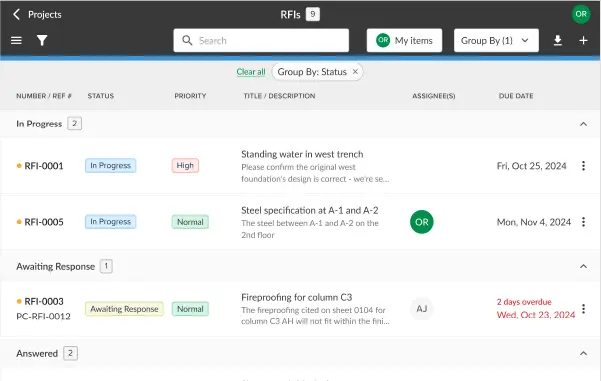
Workflows make it easier for managers to monitor project status in real time. With clear checkpoints and digital dashboards, managers can see which tasks are completed, which are pending, and where resources may be misallocated.
Manage Budgets and Avoid Budget Overruns
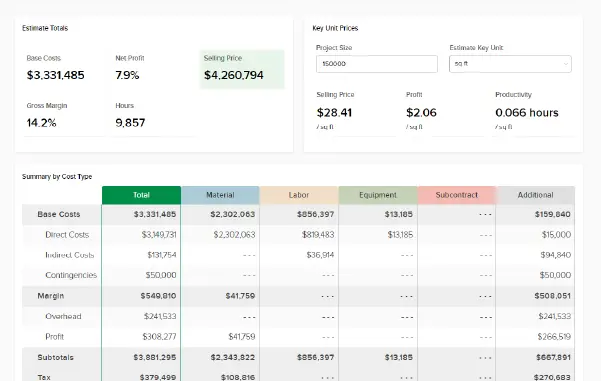
By integrating budget tracking directly into workflows, managers gain visibility into financial performance at every stage. For example, cost approval workflows ensure expenses are reviewed before being incurred. Automated alerts can warn managers of overspending risks, helping prevent budget overruns.
The Defining Qualities of a Good Workflow
Not all workflows are created equal. To be effective, a workflow must be thoughtfully designed to accommodate both project complexity and team dynamics. The following qualities distinguish effective workflows:
- Clear Task Assignment and Responsibilities: Every step in the workflow specifies who is responsible for completing it.
- Logical Sequence of Tasks: Tasks are ordered in a way that reflects the natural flow of construction activities.
- Built-in Checkpoints and Approvals: Review points reduce risk and ensure quality.
- Flexibility and Adaptability: Construction projects often face unexpected changes; workflows should be adaptable to evolving needs.
- Integration with Project Management Tools: Modern workflow management relies on digital platforms that allow for seamless updates, tracking, and reporting.
A workflow that lacks these qualities can easily become rigid, confusing, or counterproductive.
Ways to Improve Construction Management Workflows
Improving workflows is not a one-time event but an ongoing process of refinement. Below are strategies for workflow optimization:
Map Existing Workflows
Before you can improve, you must understand what currently exists. Document all workflows in use, from procurement to site inspections, to identify inefficiencies and gaps.
Identify Bottlenecks and Redundancies
Analyze workflows to uncover steps that slow down progress or duplicate efforts. For example, redundant approval loops can be consolidated to save time.
Standardize Processes Across Projects
By creating standardized workflows, construction companies reduce confusion and accelerate onboarding for new employees. Consistency also ensures regulatory compliance and quality assurance across projects.
Automate Repetitive Tasks
Using construction workflow management software, repetitive steps like approval notifications, progress reports, or document sharing can be automated. This saves significant time and minimizes human error.
Provide Training and Clear Guidelines
Even the best-designed workflows fail without proper execution. Training ensures that team members understand expectations and know how to follow procedures.
Regularly Review and Update Workflows
Projects and technology evolve; so should your workflows. Conduct periodic reviews to update workflows based on lessons learned, new tools, and emerging challenges.
Leverage Historical Data
Past projects contain a wealth of insight. By analyzing historical data, managers can refine timelines, anticipate risks, and improve forecasting.
Some Sample Construction Workflows to Consider
To provide practical guidance, here are some workflow examples that construction managers can adapt to their projects:
- Project Initiation Workflow: Defines scope, assigns roles, sets timelines, and secures client approvals before work begins.
- Procurement and Materials Workflow: Streamlines vendor selection, purchase approvals, and delivery scheduling.
- Site Inspection and Quality Control Workflow: Ensures that inspections are scheduled, completed, and documented at key project milestones.
- Change Order Management Workflow: Provides a structured process for reviewing, approving, and implementing changes requested during construction.
Each of these workflows addresses specific challenges and ensures critical processes are completed consistently.
Use Special Construction Software for Managing Workflow
While manual methods can work for smaller projects, digital tools provide scalability, accuracy, and efficiency. STACK’s construction management software empowers managers with tools tailored for workflow optimization, including:
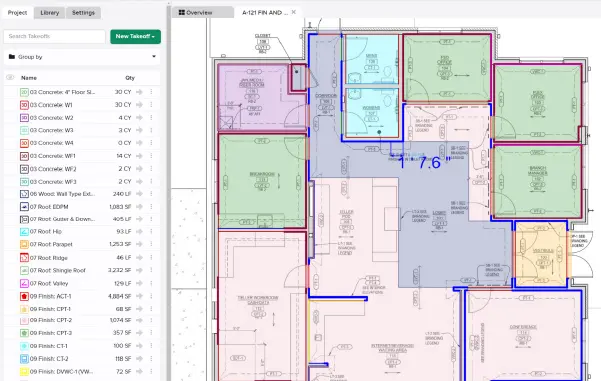
- Task Tracking and Automation: Automates repetitive steps and ensures no task is missed.
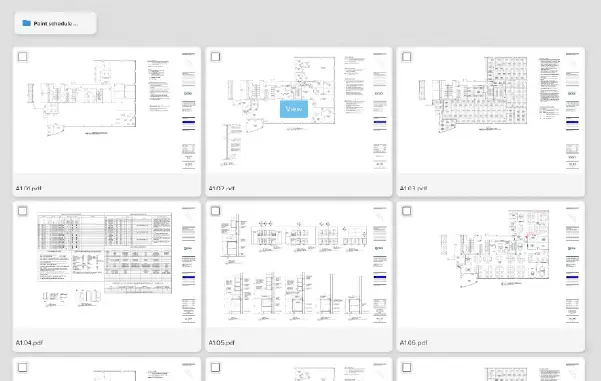
- Document Management: Centralizes contracts, drawings, and approvals in one place.
- Cloud-Based Workflows: Provides real-time access for distributed teams.
- Reporting and Analytics: Offers managers data-driven insights for decision-making.
By leveraging digital workflows through STACK, construction managers can accelerate project delivery, reduce costs, and achieve workflow optimization at scale.
Turning Process into Project Success
Optimized construction management workflows are essential to completing projects on time, within budget, and at the highest standards of quality. By structuring processes, assigning responsibilities, and leveraging digital tools, managers can transform construction workflow management into a competitive advantage.
From task management and collaboration to budget oversight and progress tracking, workflows are the invisible framework that turns chaos into order. By mapping current processes, eliminating bottlenecks, and adopting modern tools, construction companies can streamline operations across the entire construction lifecycle.
The future of the industry lies in cloud-based workflows, workflow integration, and ongoing process improvement. With the right strategies and tools — particularly software solutions like STACK — construction managers can ensure that every project is delivered efficiently, profitably, and successfully.
STACK is here to help you build. Come see what we can do for your business today!