






The Short Answer: Cost overruns happen when a construction project’s actual costs exceed the planned budget. The most common causes are inaccurate estimates, scope creep, material price shifts, and poor communication across the project team. With careful planning, realistic budgeting, and the right tools, most overruns are preventable.
Few things hurt a construction company faster than a project that runs over budget. Cost overruns eat into margins, delay timelines, and put strain on client relationships. The worst part is that many of them are avoidable.
The key is understanding where overruns come from and building a process that catches potential risks before they turn into real problems. This guide breaks down what causes construction cost overruns, how they impact your business, and what your project team can do to prevent them.
What Are Cost Overruns?
A cost overrun occurs when the actual costs of a construction project exceed the original budget. This can include overspending on materials, labor, or equipment, but it also covers schedule delays that extend rental periods, increase labor hours, or trigger penalties.
Overruns are typically measured by comparing final project costs against the initial estimate, including any contingency that was built in. For example, a project budgeted at $10 million that ends up costing $12 million has a 20% overrun.
How Cost Overruns Impact Your Business
The effects of a budget overrun go beyond the project itself.
The Short Answer: Cost overruns happen when a construction project’s actual costs exceed the planned budget. The most common causes are inaccurate estimates, scope creep, material price shifts, and poor communication across the project team. With careful planning, realistic budgeting, and the right tools, most overruns are preventable.

Financial Strain
Profit margins shrink or disappear entirely. In some cases, a construction company has to secure additional funding or renegotiate with stakeholders just to get the job done. That ties up capital that could be going toward future projects or expansion.
Delays and Reputation Damage
Overruns and schedule delays tend to go hand in hand. Extended timelines mean longer labor commitments, prolonged equipment rentals, and frustrated clients. Over time, repeated overruns damage your reputation. Clients want to work with contractors they can trust to deliver on their numbers, and a pattern of budget overruns limits repeat business and referrals.
Quality and Legal Risks
When money gets tight, quality is usually the first thing to suffer. Teams may switch to cheaper materials, cut planned features, or rush to meet deadlines. That opens the door to client disputes and, in more serious cases, legal action. Many construction contracts include strict cost and timeline requirements, and missing those terms can lead to penalties or lawsuits.
Common Causes of Construction Cost Overruns

Most cost overruns don’t come out of nowhere. They trace back to a handful of recurring issues that show up across the construction industry.
Inaccurate Estimates
Underestimating material costs, labor hours, or equipment needs sets a construction project up for trouble from the start. Rushed estimates or overly optimistic numbers create a planned budget that doesn’t hold up once work begins. Without reliable historical data to reference, estimators are often working from guesswork instead of experience.
Scope Creep and Change Orders
Unplanned work is one of the fastest ways to blow a budget. When the project scope isn’t clearly defined, design changes and additional requirements from the client stack up as change orders. Each one adds cost and time that weren’t accounted for in the original budget.
Material Price Fluctuations and Supply Chain Disruptions
Material costs shift constantly. A spike in steel, lumber, or fuel prices can throw off an estimate that was accurate just weeks earlier. Supply chain disruptions make this worse by limiting availability and driving up costs for whatever is still on the market.
Poor Planning and Scheduling
When the planning phase is rushed or incomplete, the construction phase pays for it. Gaps in scheduling lead to idle crews, inefficient sequencing, and unexpected costs that add up quickly. A project manager without a detailed plan is constantly reacting instead of staying ahead.
Unexpected Site Conditions and External Factors
Unstable soil, underground utilities, or environmental hazards can require costly fixes that nobody budgeted for. External factors like natural disasters, regulatory changes, or permit delays create additional costs that are difficult to predict but still hit the bottom line.
Labor Shortages
Finding enough skilled workers is a challenge across the industry. When labor shortages hit, projects slow down, overtime costs rise, and teams may have to bring in more expensive subcontractors to keep things moving on track.
Human Error and Miscommunication
Mistakes happen. Ordering the wrong materials, misreading plans, or failing an inspection all cost time and money. Poor communication across the project team makes these errors more likely, especially when team members are working from different versions of the same information.
Ways to Avoid Overrunning Budget in Construction
Cost overruns are common in the construction industry, but they’re not inevitable. A proactive approach to planning, communication, and cost tracking goes a long way.
Start with Accurate Estimates
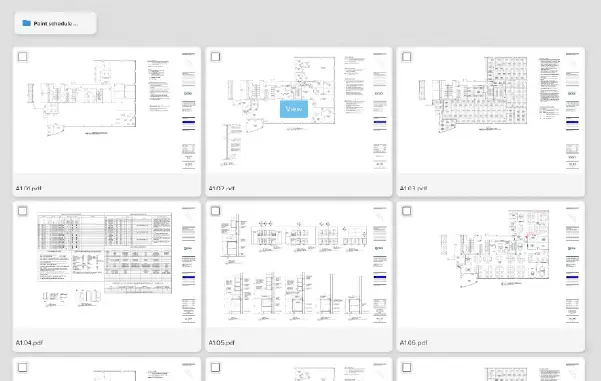
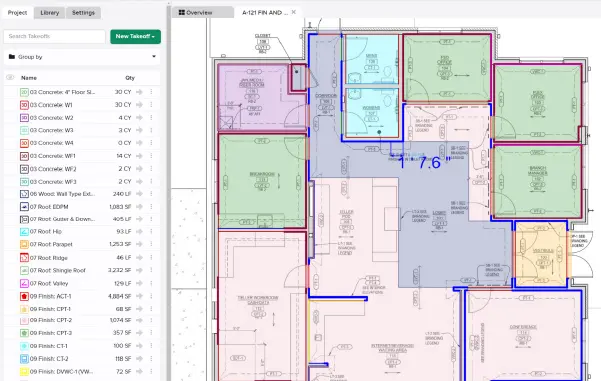
The foundation of every on-budget project is a solid estimate. Use digital takeoff and estimating tools that pull from current pricing and cost databases instead of relying on outdated spreadsheets or rough numbers. The more accurate your estimate is on day one, the less room there is for a cost overrun down the line.
Build a Realistic Budget with Contingency
A good budget accounts for more than just materials and labor. It should factor in market fluctuations, potential risks, and a contingency plan for unforeseen challenges. Setting aside contingency funds turns unexpected costs from a crisis into something manageable.
- Related Reading: Managing Construction Budgets
Track Actual Costs Against Budget in Real Time
Don’t wait until the end of a project to find out you’re over budget. Tracking actual costs against the planned budget throughout the construction phase lets your project manager catch small variances before they grow into major problems.
Manage Scope and Change Orders Tightly
Define the project scope clearly from the start and make sure every team member understands it. When additional work comes up, document it as a formal change order with updated costs and timelines. This keeps scope creep from quietly inflating the budget without anyone noticing.
Keep Communication Clear Across the Project Team
Effective communication between estimators, project managers, field crews, and clients reduces the chance of costly misunderstandings. When every team member is working from the same information in real time, fewer mistakes slip through and potential issues get flagged earlier.
Use Historical Data to Inform Future Projects
Every completed project is a data point. Track what you estimated versus what you actually spent, and use that historical data to build more accurate estimates on future projects. Over time, this creates a feedback loop that makes your team’s numbers more reliable with each bid.
What to Do When Overruns Happen
Despite careful planning, cost overruns still happen. When they do, acting fast makes the difference between a setback and a disaster.
Identify the Root Cause
Before you can fix the problem, you need to understand what’s driving the overrun. Is it a planning gap? A market shift? Labor shortages? Pinpointing the cause helps you apply the right fix instead of throwing money at symptoms.
Adjust Scope or Timeline
In some cases, renegotiating with the client or stakeholders can realign plans and expectations. That might mean adjusting the project scope, reprioritizing deliverables, or extending the timeline to avoid stacking additional costs on top of an already strained budget.
Implement Cost Controls Immediately
Once the overrun is identified, don’t wait. Freeze discretionary spending, reallocate resources where possible, and review any pending change orders with a tighter lens. The faster your project team responds, the less damage the overrun does to the project’s budget.
Avoid Outrunning Costs with STACK
Most construction cost overruns trace back to the same issues: inaccurate estimates, poor communication, and a lack of visibility into where the money is going. STACK’s cloud-based platform gives construction companies the tools to stay ahead of these problems from preconstruction through project completion.
Key benefits of STACK include:
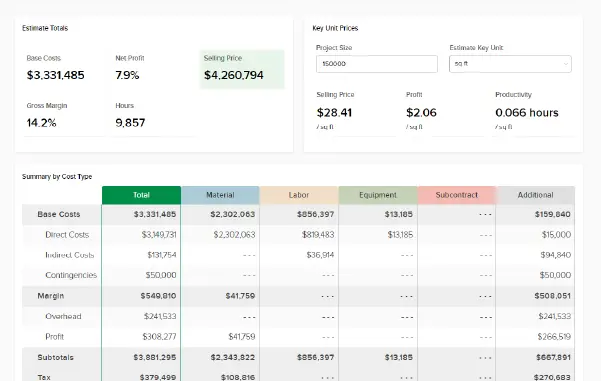
- Accurate Estimating: Centralized cost databases and digital takeoffs help your team build realistic budgets from the start.
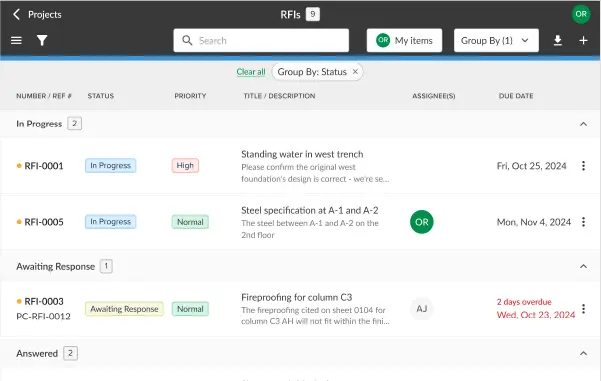
- Real-Time Collaboration: Your project team can share updates instantly, keeping everyone aligned and reducing miscommunication.
- Data Accuracy: Historical project data informs your estimates, making your numbers more reliable on future projects.
Cost overruns don’t have to be the norm. Schedule a demo to see how STACK can help your team keep projects on budget.