









New research from STACK finds that entry-level construction workers view modern technology as both a tool for closing the rapidly widening knowledge gap and an opportunity for career growth, despite industry leaders' reservations.
CINCINNATI, OH – September 22, 2026: STACK Construction Technologies, the leader in preconstruction software from takeoff to proposal, today released its ‘Construction Knowledge Gap Report’, revealing the challenges of knowledge transfer across the construction industry, consequences of unstructured training, and the industry’s perceived readiness to embrace modern technology. Conducted with third-party research firm Censuswide, data reveals 4 in 5 entry-level construction workers would be more likely to stay with an employer that prioritizes modern technology. With the majority (75%) of entry-level construction workers lacking formal training, the next generation of workers is ready to embrace technology that can streamline processes, make critical knowledge more accessible and easier to pass down, and create greater opportunities for professional development.
“A new generation is coming into the trades, and the industry owes them more than a manual and a mentor who’s too busy to teach,” said Viyas Sundaram, CEO at STACK. “We regularly see new estimators lack the historical context behind past decisions and that missing context can make its way into a new bid, simply because critical knowledge wasn’t accessible. Multiply that across every question a new hire encounters in their first year, and the connection to project delays and cost overruns becomes clear.”
When Knowledge Is Not Documented, the Business Pays for It
Construction’s technology gap is not just about outdated tools, it has real operational consequences for contractors. The most common consequence of lacking necessary expertise in the field was project delays (34%), and 26% said those delays had a ripple effect that ultimately led to costly mistakes down the line.
The impact extends beyond mistakes on the jobsite: 21% said they risked losing the long-term trust of clients when they didn’t have the expertise they needed on hand, which has the potential to damage the business’ reputation and future opportunities.
While the first step is digitizing existing institutional knowledge, the construction industry’s historically slow adoption of new technology presents an added challenge in the age of AI:
- 51% of entry-level construction professionals believe their leaders view AI negatively or simply don’t prioritize it
- 14% say their leadership believes AI is not useful at all in the trades
- 25% say younger workers are pushing for new tools but face resistance from more tenured decision-makers
- 24% of new-entrant professionals see AI as an opportunity to help bridge critical knowledge gaps
“The biggest misconception is that AI works in construction the same way it does in other industries,” said Sundaram. “AI can’t pour concrete or read a jobsite. Its real opportunity in construction is to capture institutional knowledge and make it accessible for the next generation of workers.”
Technology Could Unlock More Years in the Field for Construction Professionals
The trades are increasingly being recognized as an attractive, AI-proof career path compared to white-collar roles. While fear of AI may contribute to this shift, technology could ultimately streamline company procedures, helping retain workers in the long term. Modern technology can give workers greater autonomy by allowing them to ask questions in their own words and quickly find the information they need, eliminating physical and social roadblocks.
Overall, 82% say they would be more likely to stay with an employer long term if that employer invested in modern technology to capture and share knowledge. Workers recognize the value of investing in technology for their future, especially when they benefit from the professional growth opportunities. Broken down even further, you can see that younger generations are increasingly prioritizing technology in the workplace:
- Ages 18-25: 90% are more likely to stay with an employer that invests in technology
- Ages 26-35: 77% are more likely to stay with an employer that invests in technology
“Every dollar invested in tools that make a new hire’s first year easier is a retention investment, not just an operational investment,” said Sundaram, CEO at STACK. “At a time when keeping skilled people on staff is one of the highest leverage moves a contractor can make, giving workers the tools to succeed from day one matters.”
Methodology
All figures, unless otherwise stated, are from Censuswide. The total sample size was 500 entry-level construction professionals in the US. Fieldwork was undertaken between August 19-25, 2026. The survey was carried out online. The figures have been weighted and are representative of U.S. adults in the construction industry age 18-35 with 3 years or less of experience.
About STACK Construction Technologies
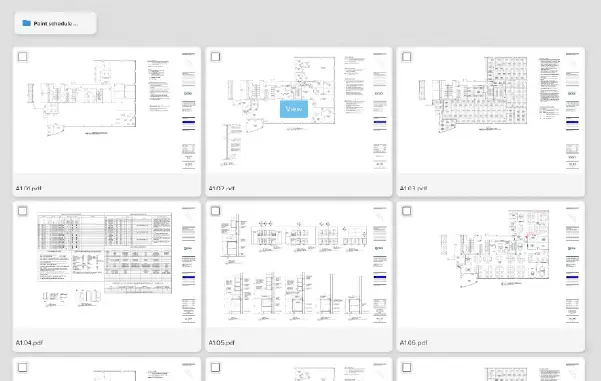
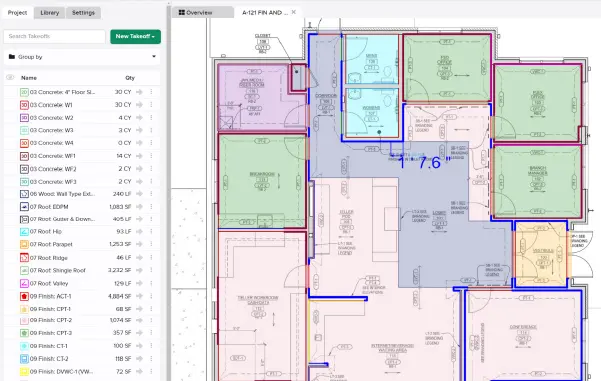
STACK Construction Technologies is a cloud-based preconstruction software platform advancing construction’s digital transformation. Founded to fill a gap in integrated, cloud-based preconstruction solutions, STACK pioneered an all-in-one, AI-accelerated takeoff and estimating platform for contractors to evaluate, bid and win more profitable projects. By connecting teams and keeping measurements, quantities and costs continuously in sync as drawings evolve, STACK is streamlining workflows, eliminating repetitive tasks and mitigating risk – all while strengthening contractor confidence and helping them to achieve more predictable profitability. Headquartered in Cincinnati, Ohio, STACK has over 100 employees and operates in the U.S. and Canada.
For more information, visit http://stackct.com.
Media Contact:
Diffusion PR for STACK
stack@diffusionpr.com